
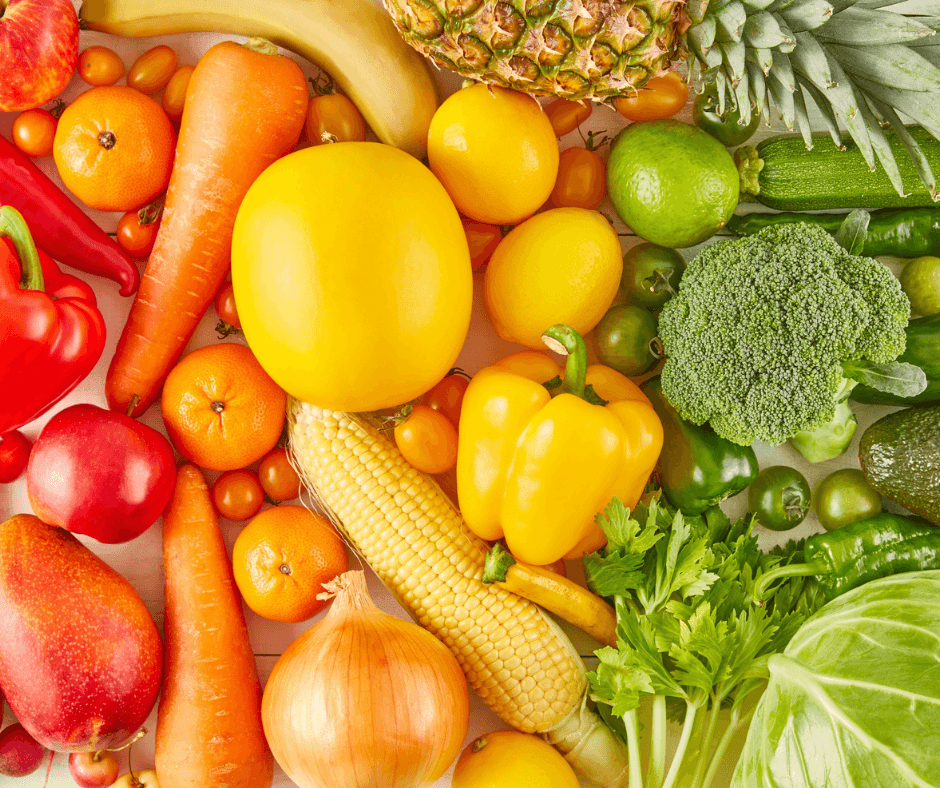
The Simple Truth: Small Swaps Beat Big Overhauls
If you've ever ended a day realizing you ate maybe half a vegetable, you're not alone. The most reliable way to eat more fruits and vegetables isn't a rigid meal plan - it's stacking a few small, repeatable habits onto the day you already have. You don't need a spiralizer, a Sunday meal-prep marathon, or a produce drawer that looks like a farmers’ market. You need two or three swaps you can actually stick with.
This guide walks through realistic, low-effort ways to close the produce gap, whether you're cooking for one, feeding a family, or just trying to get through a busy week without living on crackers and coffee.
Why This Feels Harder Than It Should
Most of us know we should eat more produce. Knowing isn't the problem, friction is. Fresh vegetables spoil before you use them. Fruit sits on the counter and gets forgotten. Chopping feels like a chore after a long day. The good news: You can design around the friction instead of fighting it.
Start With "Add," Not "Replace"
Instead of overhauling meals, look for places to add a serving without changing what you're already eating:
● Toss a handful of spinach into a smoothie, soup, or pasta sauce - it wilts down and barely changes the flavor.
● Add frozen mixed vegetables to rice, eggs, or a grain bowl in the last five minutes of cooking.
● Keep a bowl of washed fruit on the counter at eye level. Visibility does a lot of the work.
Make the Easy Choice the Default Choice
Willpower runs out by 3 p.m. Environment doesn't. A few structural changes:
● Pre-wash and portion produce the day you buy it, not the day you plan to eat it.
● Keep frozen fruits and vegetables stocked as a backup - they're picked at peak ripeness and just as nutritious as fresh.
● Batch-roast a tray of vegetables once or twice a week to pull from for lunches.
Use a Greens Supplement to Fill Real Gaps - Not Replace Whole Food
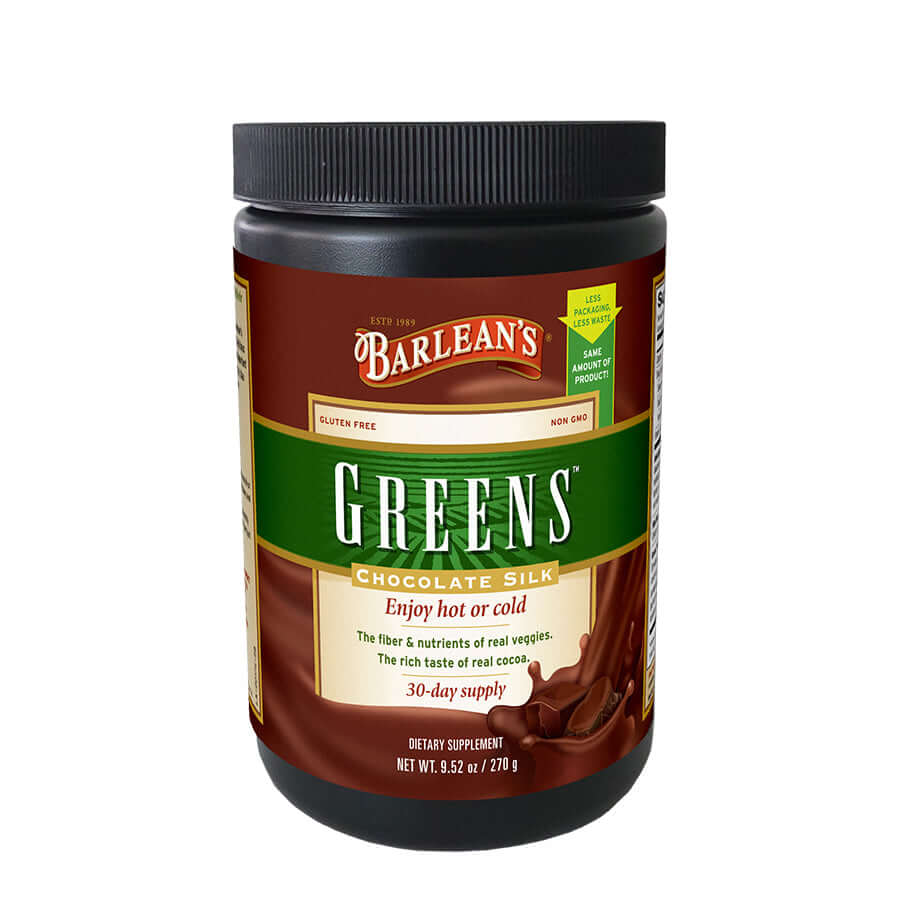
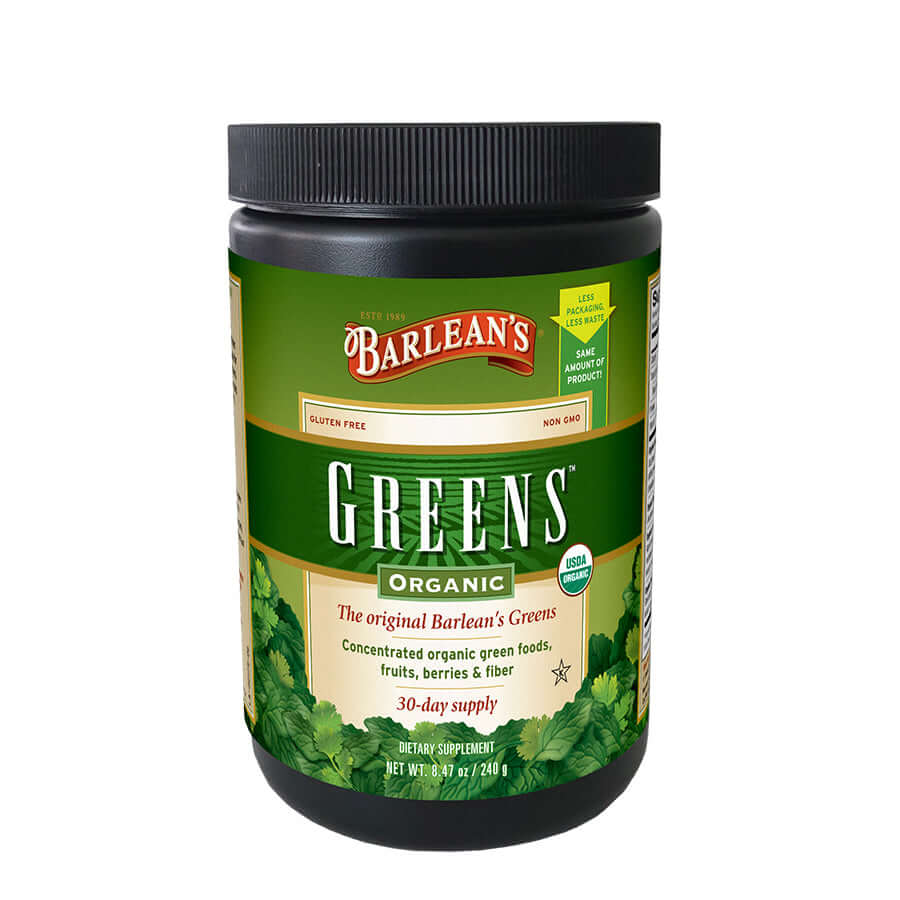
Even with good intentions, some days the produce just doesn't happen. That's where a quality greens powder can help round things out. Barlean's Organic Greens is formulated to support a foundation of daily nutrition alongside fruits and vegetables on your plate.* Think of it as a backstop for the days that don't go as planned, not a substitute for a colorful dinner. For the chocolate lovers, check out Barlean's Chocolate Silk Greens!
Realistic Ways to Get More Produce at Each Meal
Breakfast: Add berries to oatmeal or yogurt, or blend spinach into a smoothie - it disappears visually and taste-wise.
Lunch: Build meals around a base of greens or roasted vegetables, then add protein on top, rather than treating vegetables as a side thought.
Dinner: Keep one "no-cook" vegetable on hand (baby carrots, cherry tomatoes, cucumber slices) for nights when cooking a side feels like too much.
Snacks: Pre-portion fruit or veggie snacks into grab-and-go containers so they compete on convenience with less nutritious options.
A Simple Weekly Framework
Rather than counting servings, try anchoring to consistency:
1. Pick two meals a day where you'll add one produce item, no exceptions.
2. Keep one frozen and one fresh option stocked at all times.
3. Let one meal a week be "whatever's easiest" - consistency beats perfection.
The Bottom Line
Eating more fruits and vegetables doesn't require a lifestyle overhaul, it requires a handful of small habits repeated on autopilot. Start with one or two swaps from this list, keep your environment stocked for success, and let a trusted greens supplement catch the days that don't go as planned.
FAQ
How many servings of fruits and vegetables should I eat per day?
General dietary guidance recommends a variety of fruits and vegetables daily as part of a balanced diet. Focus on consistency and variety rather than hitting an exact number every single day.
Are frozen fruits and vegetables as healthy as fresh?
Frozen produce is typically flash-frozen at peak ripeness, which helps preserve its nutrient content, making it a convenient and nutritious option when fresh isn't practical.
Can a greens supplement replace eating vegetables?
No. A greens supplement is intended to complement a diet that includes fruits and vegetables, not replace them. Whole foods offer fiber and a food matrix that supplements aren't designed to duplicate.
*These statements have not been evaluated by the Food and Drug Administration. This product is not intended to diagnose, treat, cure, or prevent any disease.
Share:
Multivitamins 101: Finding the Right Fit for Your Lifestyle
Eye Wellness in the Digital Age: Healthy Habits for Screen-Filled Days