

Fruits & vegetables matter every day because they're the most concentrated, varied source of vitamins, minerals, fiber, and plant compounds in the average diet. They are nutrients your body relies on continuously, not just occasionally. Eating them consistently, rather than in occasional bursts, is what allows their benefits to add up over time.
What Makes Produce Different From Other Foods
Fruits and vegetables aren't just "healthy filler." They're structurally different from most packaged foods in three ways that matter for daily wellness:
1. They Deliver Fiber You Can't Easily Get Elsewhere
Fiber supports digestive regularity and helps you feel satisfied after meals.* Most fiber in the average diet comes from produce, whole grains, and legumes - it's genuinely difficult to hit a reasonable daily fiber intake without regularly eating vegetables, fruits, or both.
2. They're Nutrient-Dense, Not Just Low-Calorie
The value of produce isn't just what it leaves out (excess sugar, processed fats), it's what it includes: Vitamin C, potassium, folate, and a wide range of plant compounds called phytonutrients that work together in ways isolated supplements can't fully replicate.
3. Variety Matters as Much as Volume
Different colored fruits and vegetables carry different nutrient profiles. Deep greens, reds, oranges, and purples each bring something distinct to the table, which is why "eat the rainbow" is more than a catchy phrase - it's a practical way to think about variety without overanalyzing every meal.
The Case for Daily Consistency
A produce-heavy meal once a week doesn't do the same thing as smaller amounts eaten consistently. Your body benefits from a steady supply of these nutrients, which is why daily habits are what nutrition guidance consistently points to.
Easy Ways to Get More, Without a Full Diet Overhaul
You don't need to eat perfectly to eat well. A few low-effort ways to increase your daily intake:
A Simple Way to Think About It
Instead of aiming for a perfect plate at every meal, aim for produce showing up somewhere in most of your meals. That shift from all-or-nothing to consistent-and-imperfect is what actually sustains a habit long term.
FAQ
Why are fruits and vegetables important for daily health?
Fruits and vegetables provide fiber, vitamins, minerals, and plant compounds that support overall wellness as part of a balanced diet, and their benefits are most meaningful when eaten consistently over time.
Is it better to eat a variety of fruits and vegetables, or focus on a few?
Eating a variety of colors and types is generally recommended, since different produce offers different nutrient profiles that complement one another.
Can supplements replace fruits and vegetables in the diet?
No supplement fully replicates the fiber and nutrient matrix found in whole fruits and vegetables. Supplements like greens powders are intended to complement, not replace, a diet that includes produce.
The Bottom Line
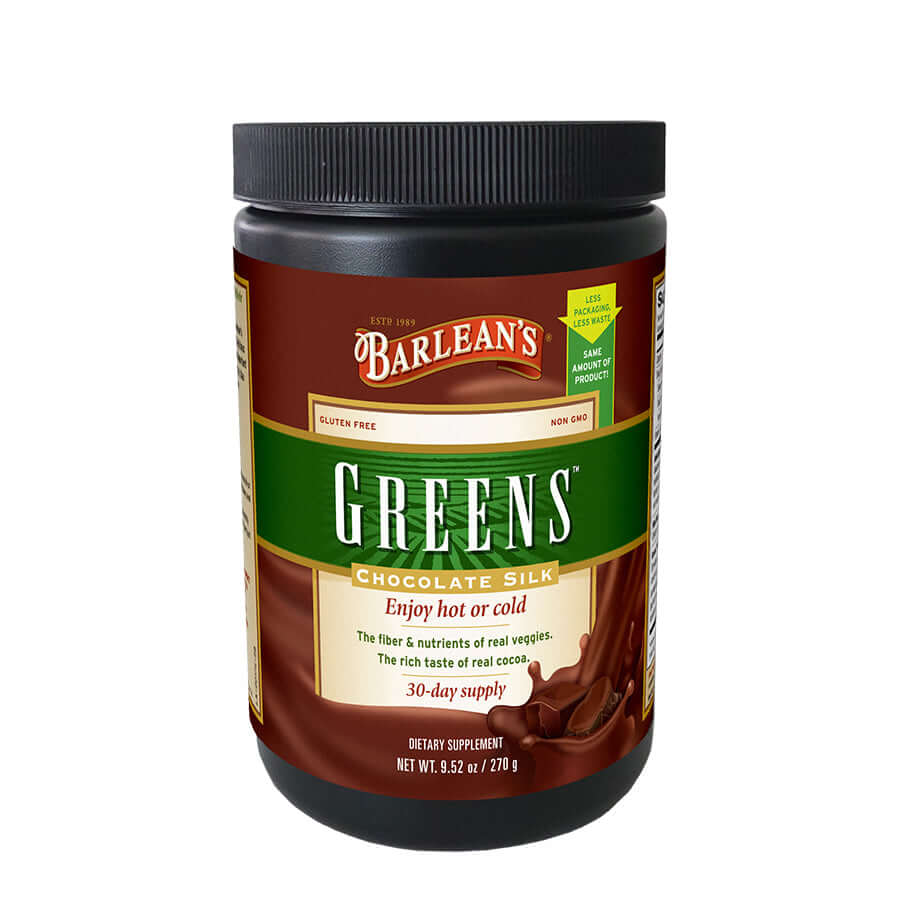
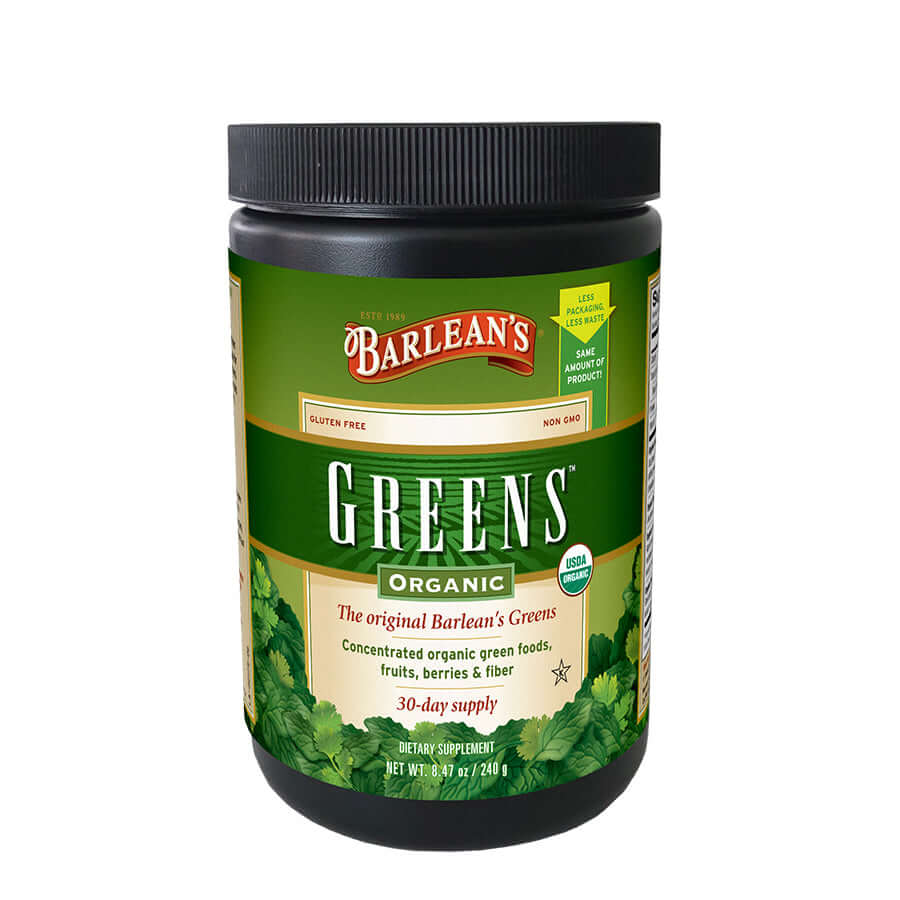
Fruits and vegetables matter every day because their benefits are cumulative, not one-time. You don't need a perfect diet to see the value - just a consistent one. Start by anchoring produce to the meals you already eat, keep convenient options on hand, and let a trusted greens supplement fill in the gaps on busier days.
*These statements have not been evaluated by the Food and Drug Administration. This product is not intended to diagnose, treat, cure, or prevent any disease.
Share:
Eye Wellness in the Digital Age: Healthy Habits for Screen-Filled Days