
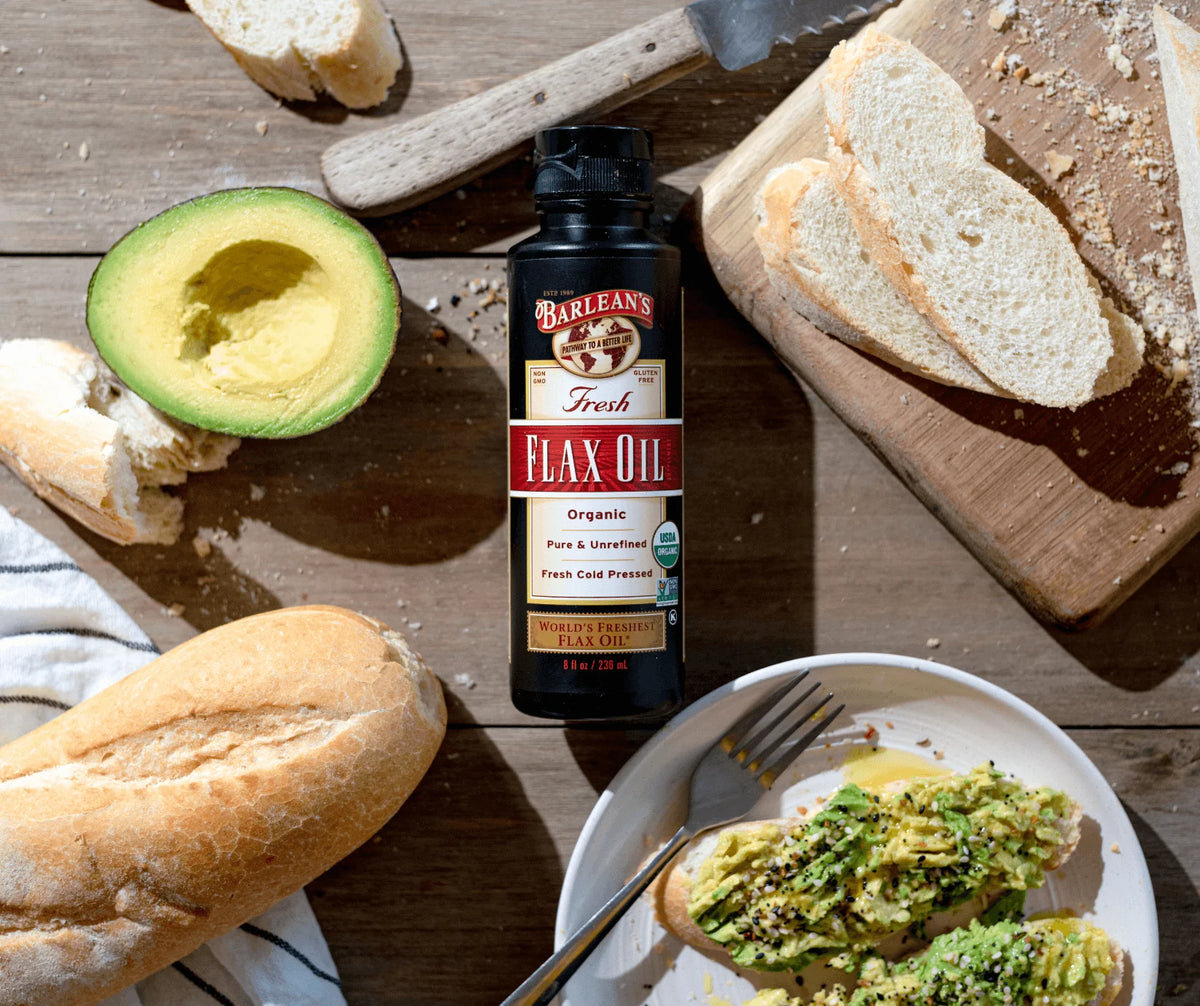
Where It All Began
This is the product Bruce Barlean discovered in the late 1980s that changed everything. This is the foundation of the company, and today, more than 35 years later, Barlean's is still the number one selling organic flax oil in North America.
What This Training Covers
- Why flax oil? The plant-based omega-3 advantage
- Who benefits from choosing flax over fish
- Organic Fresh Flax Oil versus Organic Lignan Flax Oil
- Soft gel options in bovine and vegan formats
- Storage, freshness, and usage tips
- How to recommend flax oil and who's the perfect fit
Why Flax Oil? The Plant-Based Omega-3 Advantage
Flax oil is the richest plant source of omega-3 ALA available. A single tablespoon of Barlean's flax oil delivers between 7,230 and 7,640 milligrams of ALA omega-3.
ALA is different from the EPA and DHA found in fish oil. Your body can convert some ALA to EPA and DHA, but conversion rates vary. Flax oil isn't a direct replacement for fish oil if someone specifically needs high levels of EPA and DHA, but for customers who want plant-based omega-3s, flax is an excellent choice.
Key benefits of flax oil:
- Completely vegan and vegetarian-friendly — no animal products, no fish
- No fishy taste or burps — flax has a mild, nutty flavor that some people actually enjoy
- American-grown flaxseed from organically certified growers
- Supports heart health, skin health, and joint health through its omega-3 content
- Whole food nutrition in its simplest form
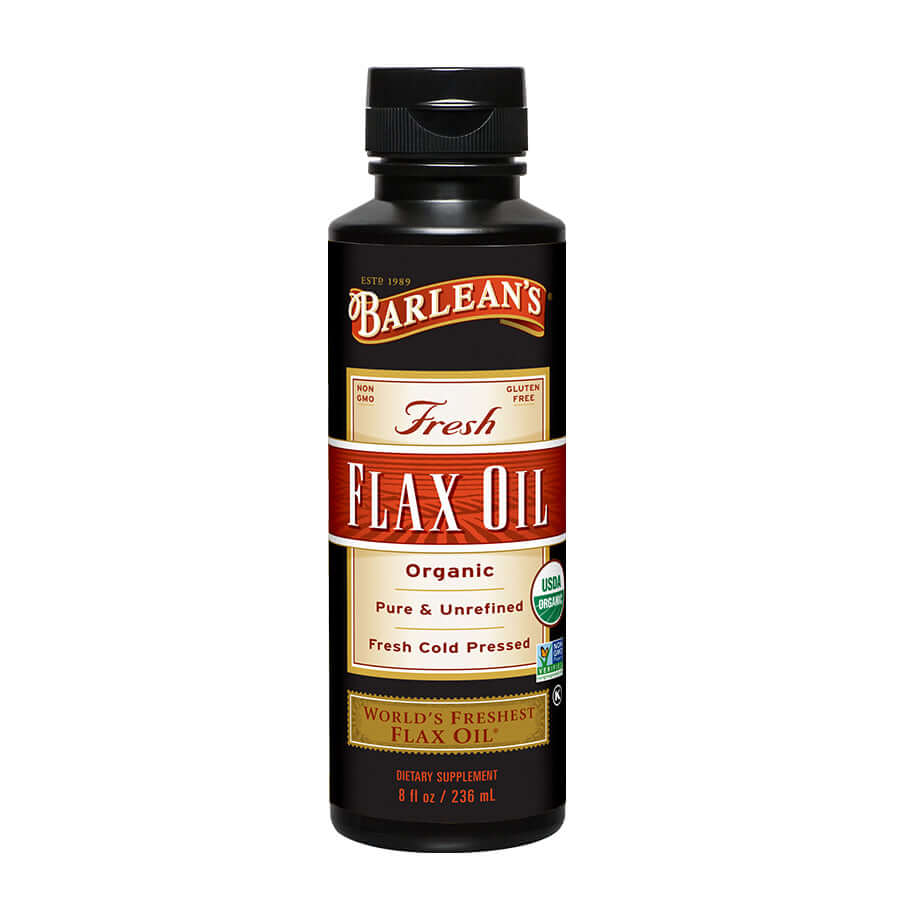
Organic Fresh Flax Oil
Barlean's Organic Fresh Flax Oil is the flagship product. It's where we began.
Pure, unfiltered flax oil. Nothing added. Nothing removed. Just organic flaxseed that's been cold-pressed to extract the oil.
Product details:
- 7,640 mg of ALA omega-3 per tablespoon
- USDA Organic, Non-GMO, and completely vegan
- Mild, nutty flavor that's not overpowering — mixes into foods without dominating
- Cold-pressed and protected from heat and light through the entire process
- Omega-3s are delicate and vulnerable to oxidation, and Barlean's manufacturing is designed to minimize exposure
This is the number one selling organic flax oil in the market. Customers choose it year after year because it's consistent, fresh, and delivers what it promises.
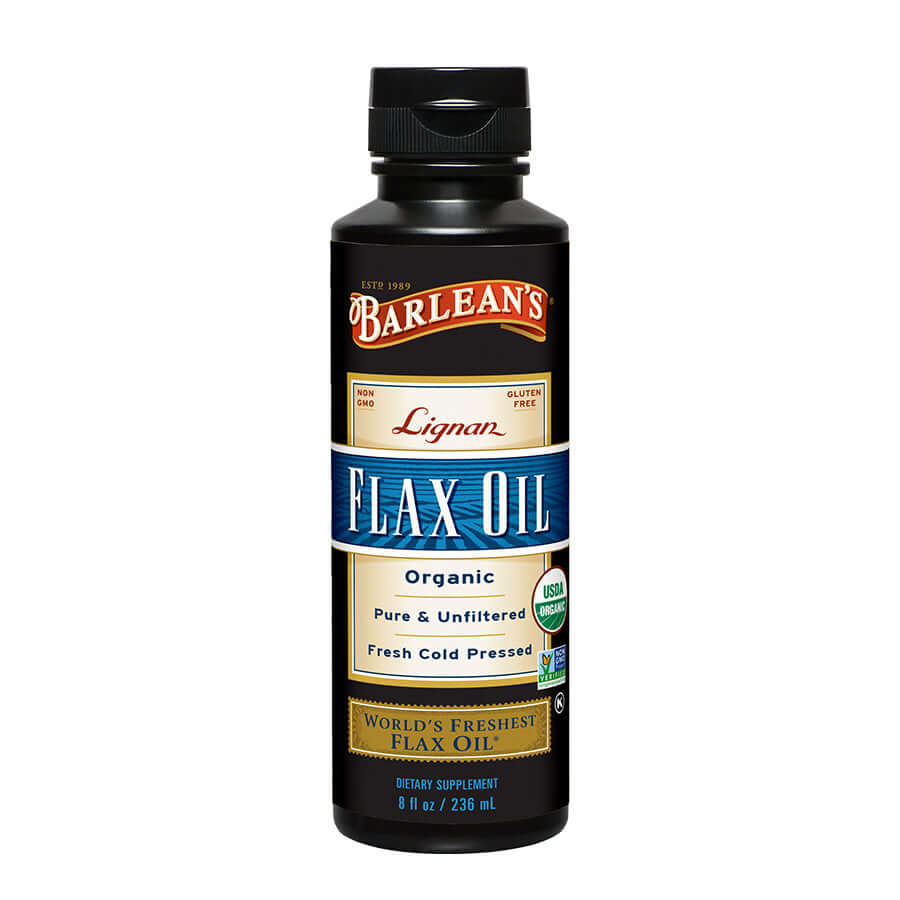
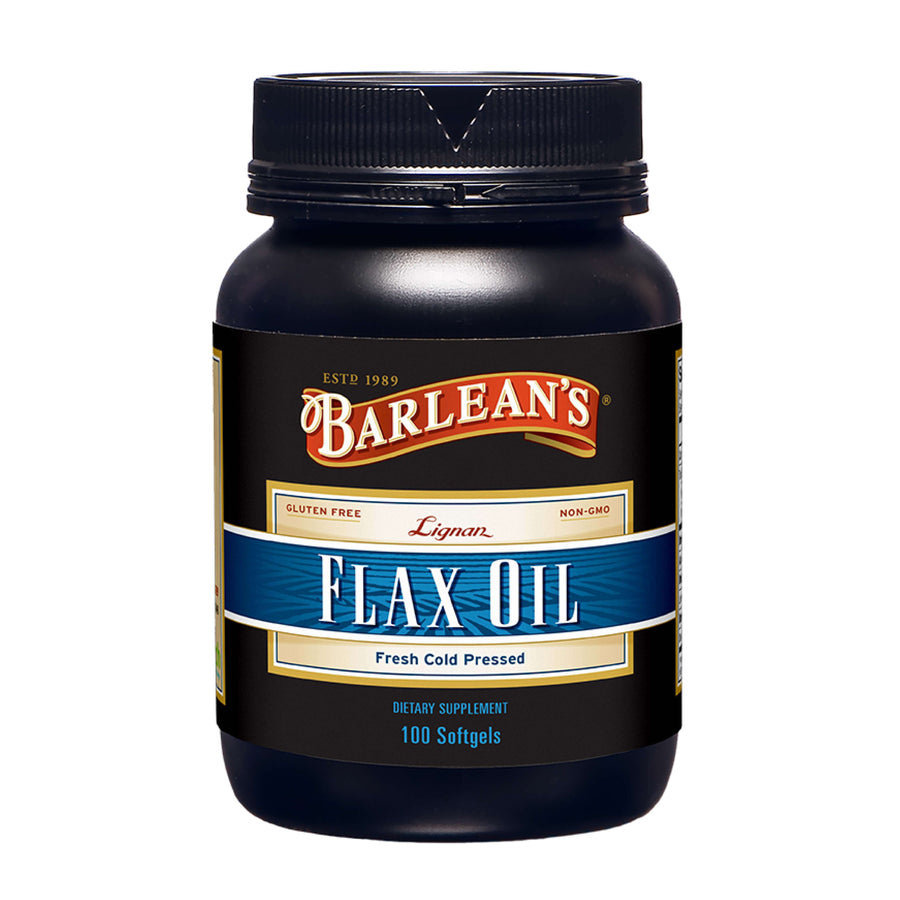
Organic Lignan Flax Oil
This product is different from Fresh Flax. It's unfiltered with flax particulate — during pressing, some of the ground flaxseed particles remain in the oil. This gives it a slightly thicker consistency and a heartier flavor.
Product details:
- 7,230 mg of ALA omega-3 per tablespoon (slightly less than Fresh Flax, but still packed with plant-based omega-3s)
- The key difference is SDG lignans — naturally occurring plant compounds found in flaxseed with antioxidant properties, among other valuable nutrients
- Think of lignans as bonus nutrition beyond just the omega-3s
- USDA Organic, Non-GMO, and vegan
- Heartier, earthier, nuttier flavor with more body
Important note: Shake well before use. The flax particulate settles at the bottom, so you need to shake it to distribute those lignans evenly.
How to Choose Between Fresh Flax and Lignan Flax
Recommend Organic Fresh Flax if the customer wants:
- Milder taste
- Smoother texture
- Slightly more omega-3s
- Simplicity
This is the cleanest expression of flax oil. Ideal for someone new to flax oil or who wants maximum omega-3 content.
Recommend Organic Lignan Flax if the customer wants:
- Additional lignans and plant compounds
- Maximum whole food nutrition
- Everything the flaxseed offers
Ideal for customers thinking holistically about nutrition.
Both products are excellent. Neither is better than the other — they're just different. Some customers try both and have a clear preference. Some alternate depending on what they're using it for. Fresh Flax might be better for salad dressings where you want a lighter flavor. Lignan Flax might be better in smoothies where the heartier flavor blends well.
Soft Gel Options
Not everyone wants to measure liquid oil. Some people want to swallow a capsule and be done with it. That's where soft gels come in.
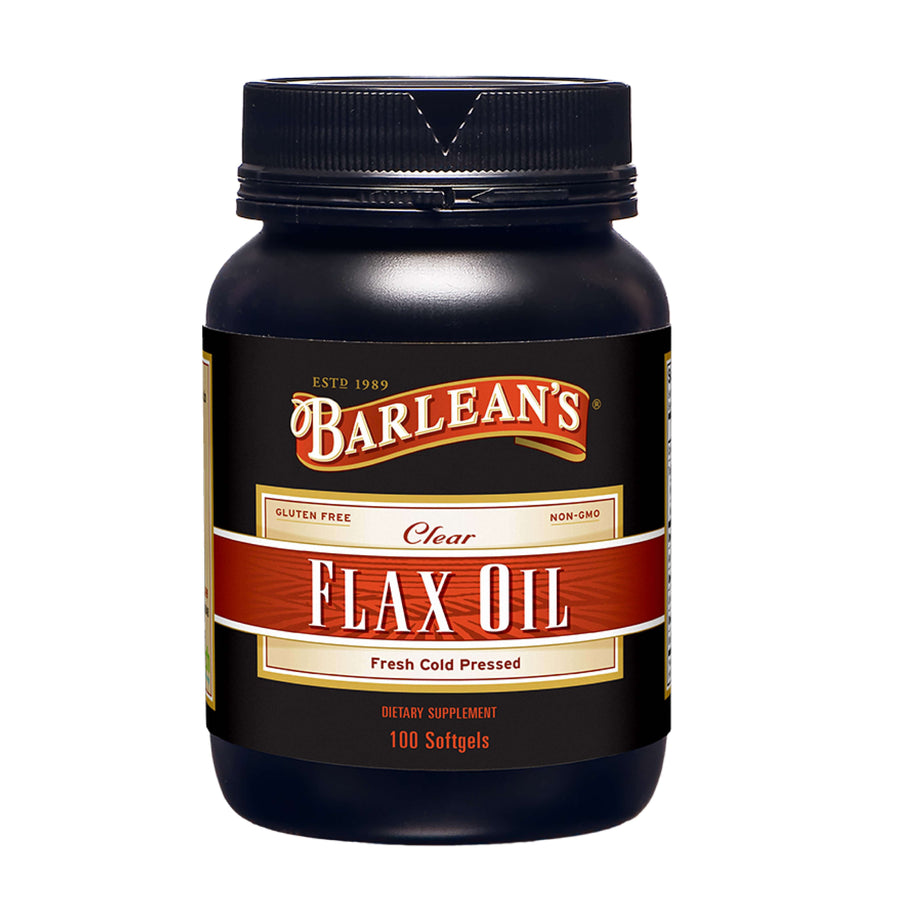
Fresh Flax Oil Soft Gels (Bovine Gelatin)
- 1,650 mg of ALA per serving (3 soft gels)
- No refrigeration needed, shelf stable, travel friendly
Lignan Flax Oil Soft Gels (Bovine)
- 1,550 mg of ALA per serving
- Includes the lignans, just like the liquid version
Fresh Flax Oil Vegan Soft Gels
- 1,650 mg of ALA per serving
- Plant-based soft gel shell — 100% vegan friendly from oil to capsule
The tradeoff: Less omega-3s per serving compared to liquid. Three soft gels gives you roughly the equivalent of a teaspoon of liquid oil. For anyone who needs higher amounts, liquid is more economical. For customers who prioritize convenience, soft gels are the way to go — easy to throw in a purse, leave on a desk, or toss in a gym bag.
Storage and Freshness
Flax oil is delicate. It oxidizes easily when exposed to heat, light, or oxygen. This is the nature of omega-3 fatty acids.
Rules for proper storage:
- Refrigerate liquid oils after opening — Once the bottle is open and exposed to air, it goes in the refrigerator to preserve freshness
- Check the freshness date — The oil is safe up to expiry, but for best nutrition and freshness, use within 12 weeks of opening
- Dark bottles protect from light — Those amber bottles aren't just for aesthetics; light exposure degrades omega-3s
- Soft gels are shelf-stable until opened — Store in a cool, dry place
This is important to share with customers. If someone leaves flax oil on their kitchen counter in direct sunlight for days or months and complains about a bitter taste, that's improper storage — not a product defect.
Usage Tips
Serving size for liquid flax oil: 1 to 2 tablespoons daily
Serving size for soft gels: 3 to 9 soft gels daily
The most important rule: Never heat flax oil. Do not cook with it. Do not add it to scalding hot foods. Heat destroys omega-3s. Only add flax oil to cold or room temperature foods. If adding to heated foods like oatmeal, let it cool slightly first.
Great ways to use flax oil:
- In smoothies — blend with fruit and you won't even taste it
- Mixed into yogurt or oatmeal
- In salad dressings
- Straight off the spoon
- In protein shakes or cottage cheese
Flax oil is versatile and easy to incorporate into a daily routine. Customers just need to remember: cold foods only.
Who's Perfect for Flax Oil?
Vegans and vegetarians — They need omega-3s but can't take fish oil. Flax is the perfect solution.
People who don't like fish or get fish burps — Flax solves that completely.
Those wanting plant-based nutrition — Even if they're not strictly vegan, some customers prefer plant sources whenever possible.
Anyone following a heart-healthy diet — Flax oil supports cardiovascular health through its omega-3 content.
Budget-conscious omega-3 users — Flax oil is generally less expensive than high-quality fish oil. Excellent value for customers watching their budget.
This market is growing every year. More people are choosing plant-based options, and flax oil meets them where they're at.
Key Takeaways
- Flax oil is the richest plant-based source of omega-3 ALA — the best plant-based option for anyone who needs omega-3s but can't or won't take fish oil
- Fresh Flax is mild and smooth with slightly higher omega-3 content
- Lignan Flax is heartier and earthier with added lignans — both are excellent products serving different preferences
- Soft gels are available in bovine and vegan options for convenience
- Refrigerate liquid oils after opening — non-negotiable
- Perfect for vegans, vegetarians, and anyone wanting plant-based omega-3s with no fish burps
- Barlean's is the number one selling organic flax for a reason — quality, freshness, and trust built over 35 years
Coming Up Next: Training 5 will cover Seriously Delicious Flax Oil — the same omega-3s but emulsified with fruit flavors for three times better absorption.
Products featured in this article:
Flax Oils
$14.49 - $52.49
Flax Oils
$14.49 - $52.99
Flax Oils
$16.49 - $38.99
Flax Oils
$16.99 - $39.49

Flax Oils
$17.99 - $42.99
Share:
Module 9: Omega Pals (Kids Omega-3 Line)
Module 2: Award-Winning Credibility & Quality Standards