

A sustainable wellness routine for a busy fall season is built from a small number of non-negotiable habits, layered onto your existing schedule rather than added on top of it. The goal isn't to do more - it's to protect a handful of habits that matter most, even when everything else gets chaotic.
Why Fall Derails Routines Faster Than Other Seasons
Fall brings a specific kind of chaos: School schedules restart, daylight shortens, weather turns, and the run-up to the holidays begins. Routines that felt manageable over summer often buckle under the combined weight of earlier mornings, more evening commitments, and less daylight to work with. The routines that survive fall aren't the most ambitious ones, they're the simplest ones.
The Core Principle: Fewer Habits, Held More Tightly
Trying to maintain ten wellness habits during your busiest season is a setup for abandoning all of them by the holidays. Instead, pick three or four habits that matter most to you and protect those specifically, letting everything else flex.
Anchor Habits to Existing Routines, Not New Time Blocks
The habits most likely to survive a busy season are the ones attached to something you already do daily - not the ones that require carving out new time:
● Take supplements with a meal you already eat, like breakfast, rather than a separate "wellness moment."
● Add a vegetable to dinner prep instead of planning a separate healthy meal.
● Do a five-minute walk during a call instead of scheduling separate exercise time.
Build a Simple Morning Stack
Mornings tend to be the most controllable part of a chaotic fall day. A simple, repeatable morning stack might include:
1. A glass of water before coffee.
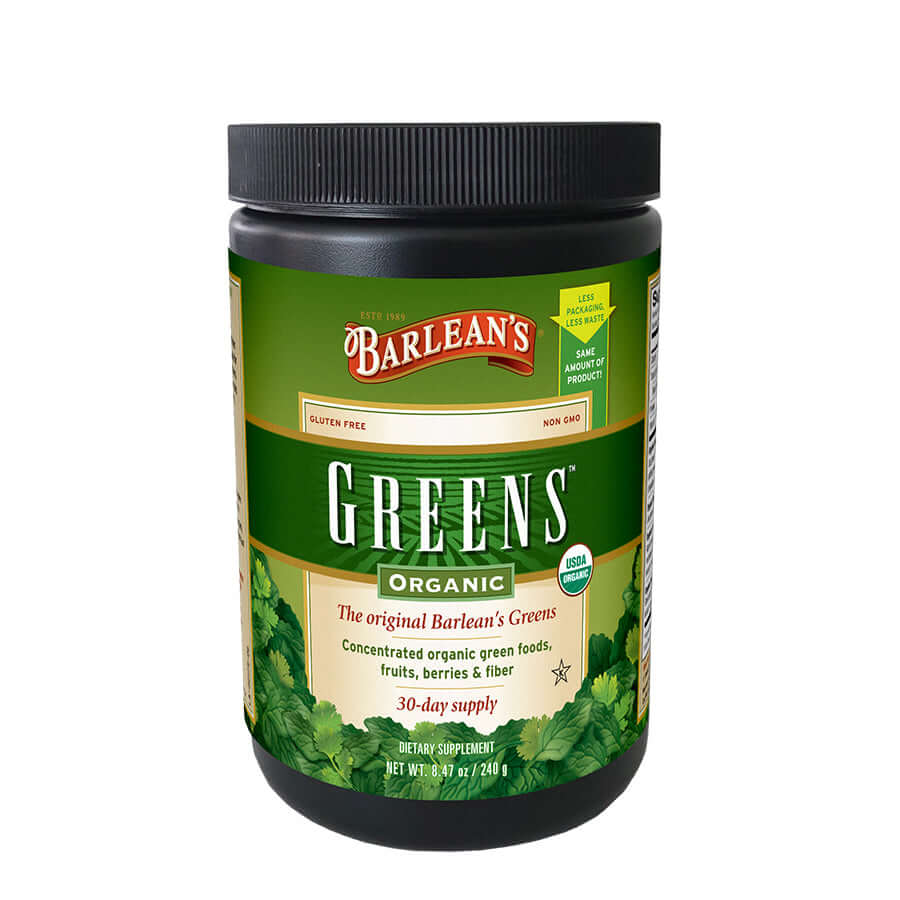
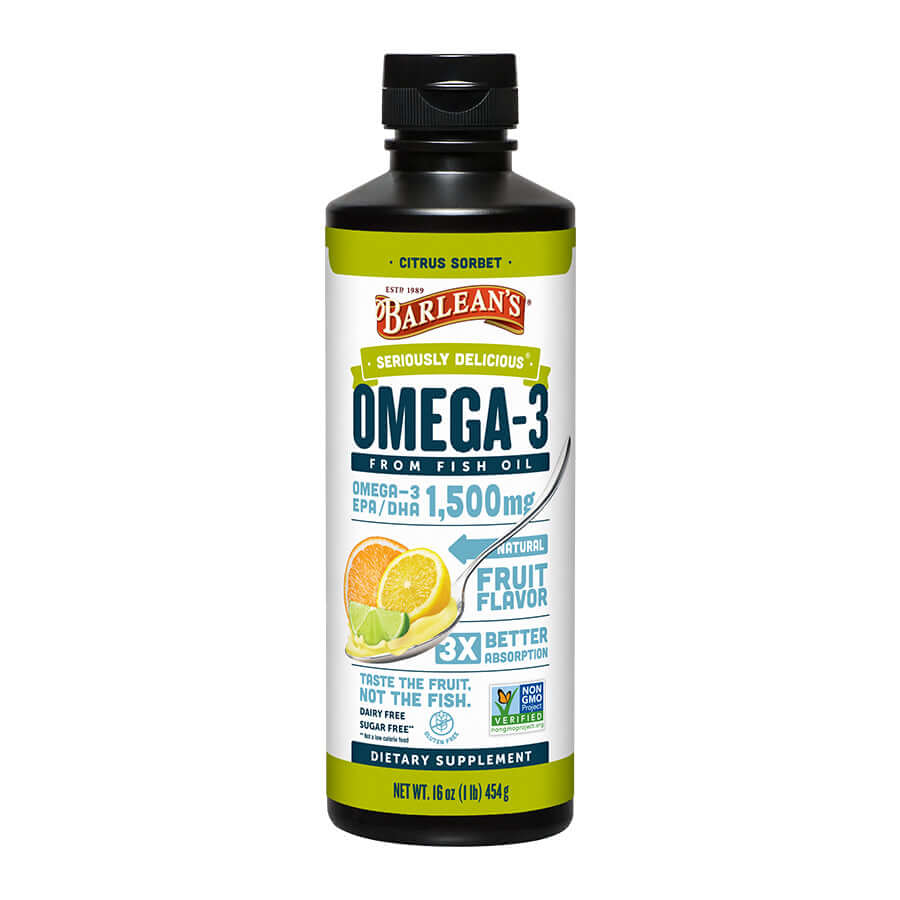
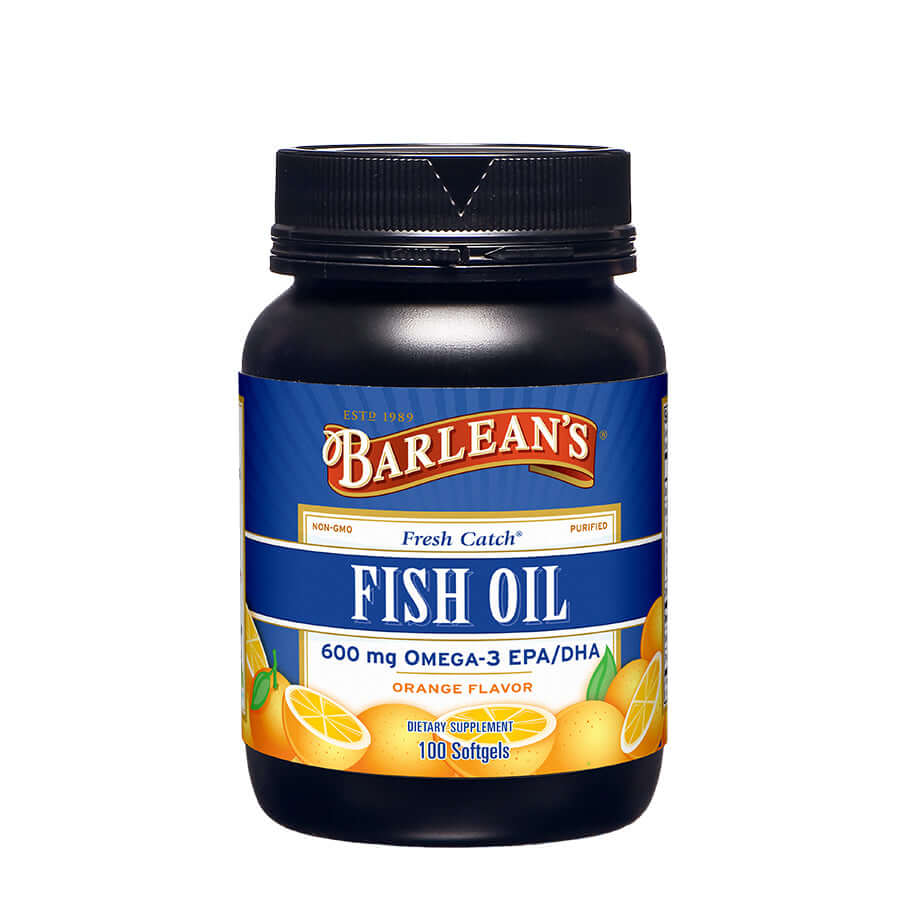
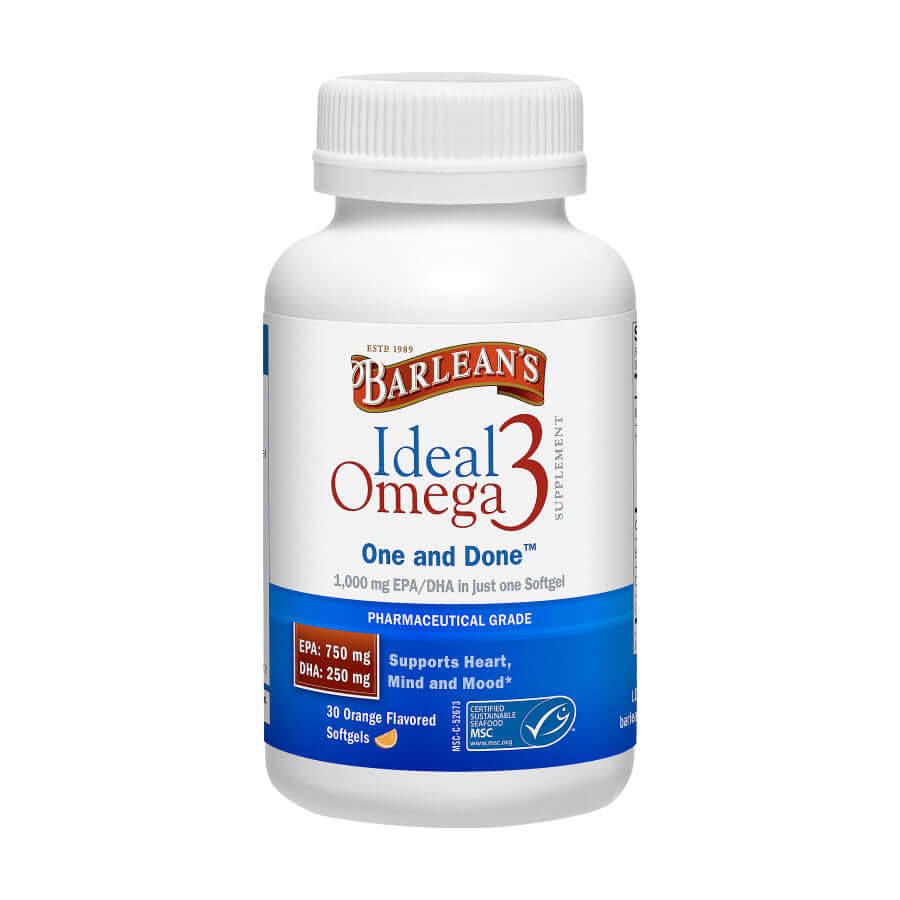
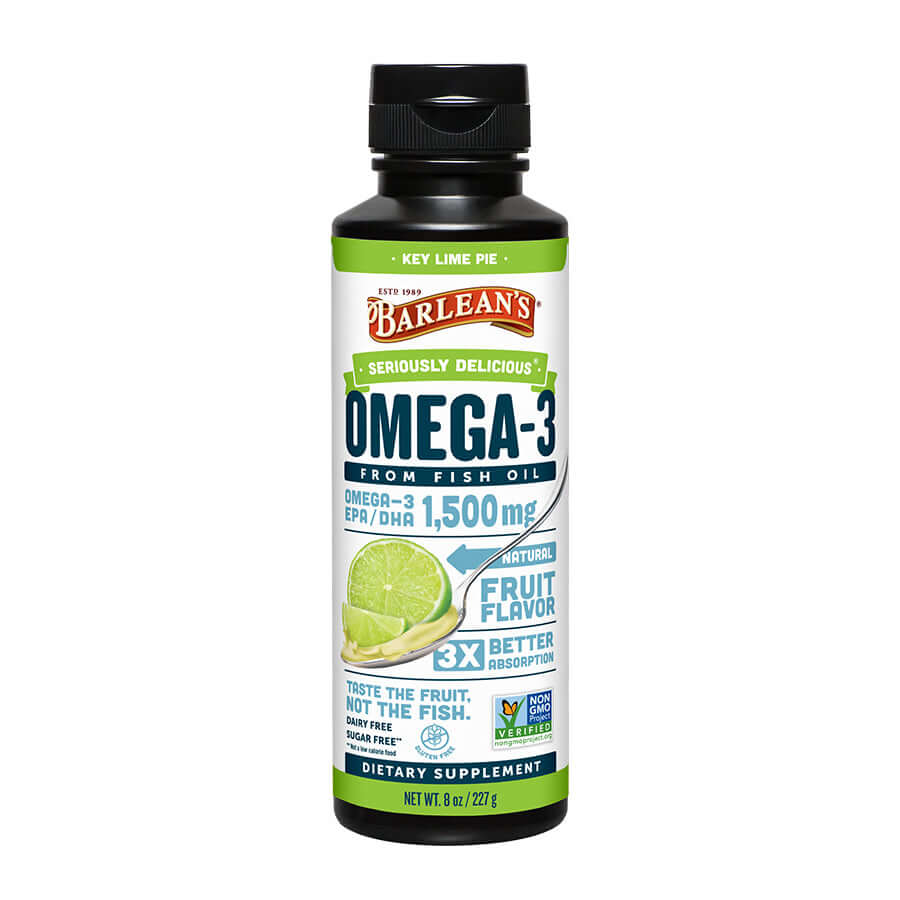
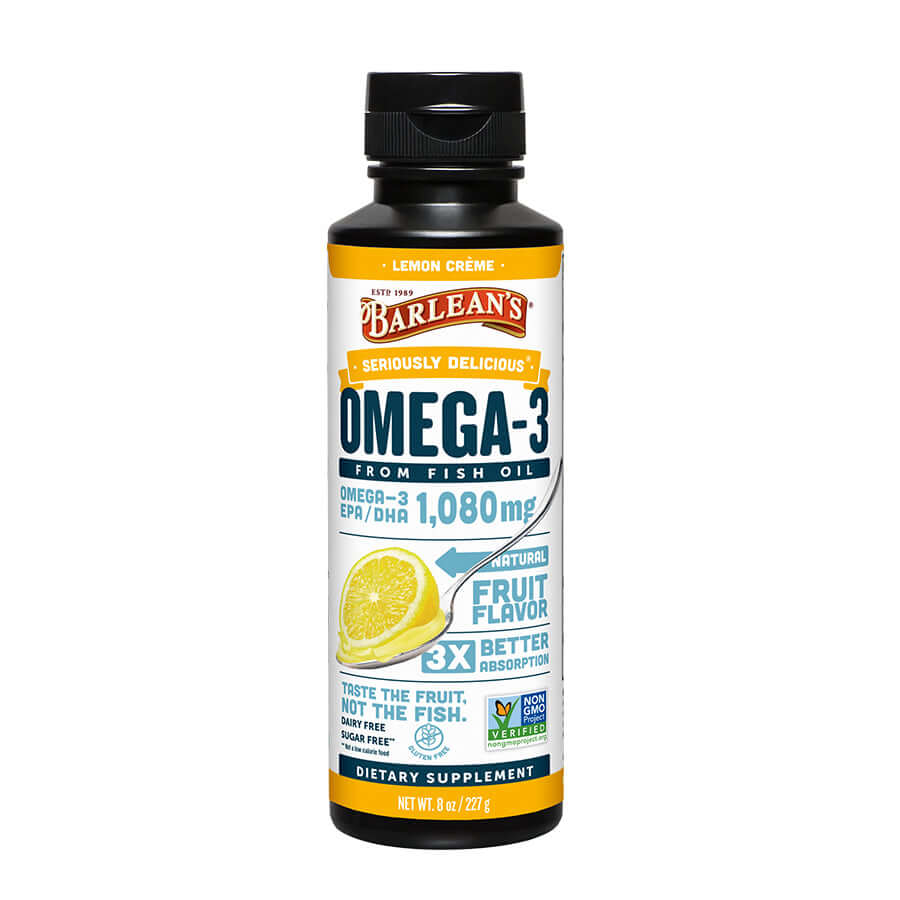
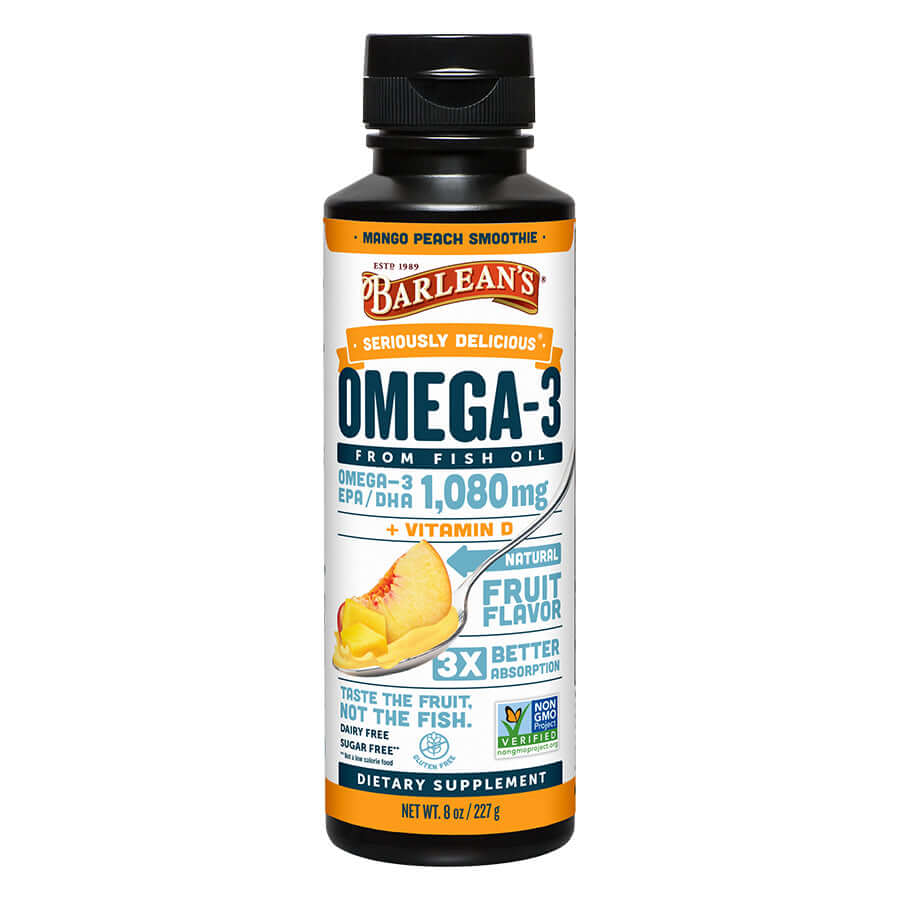
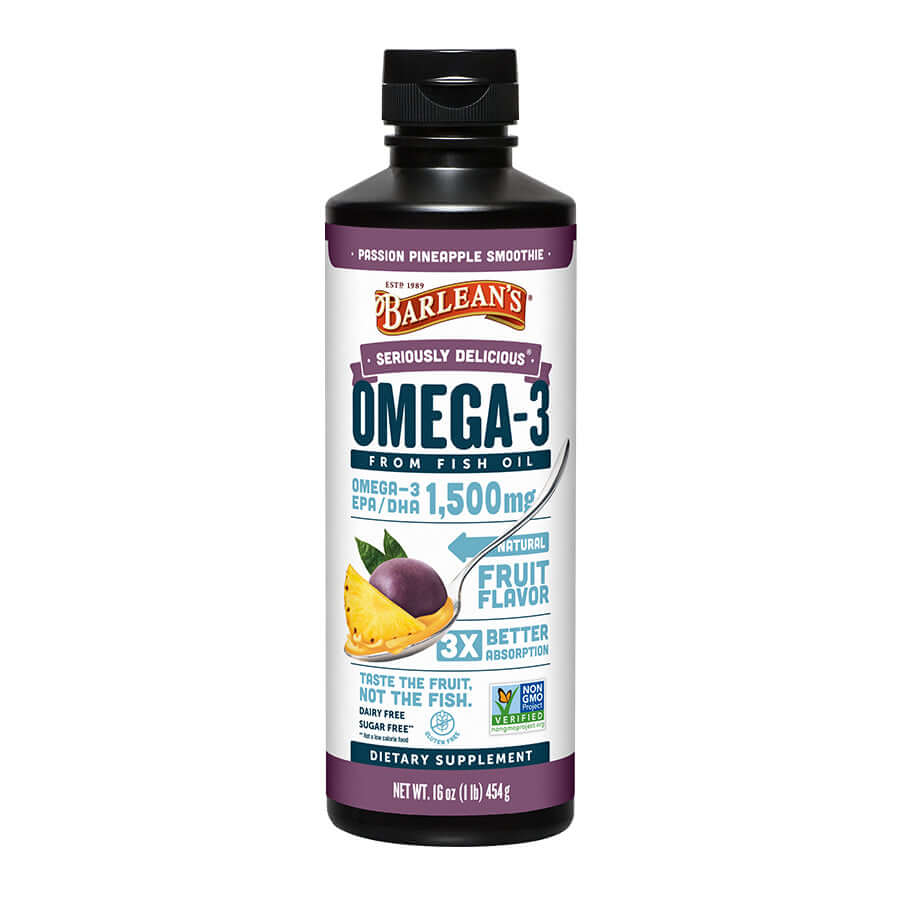
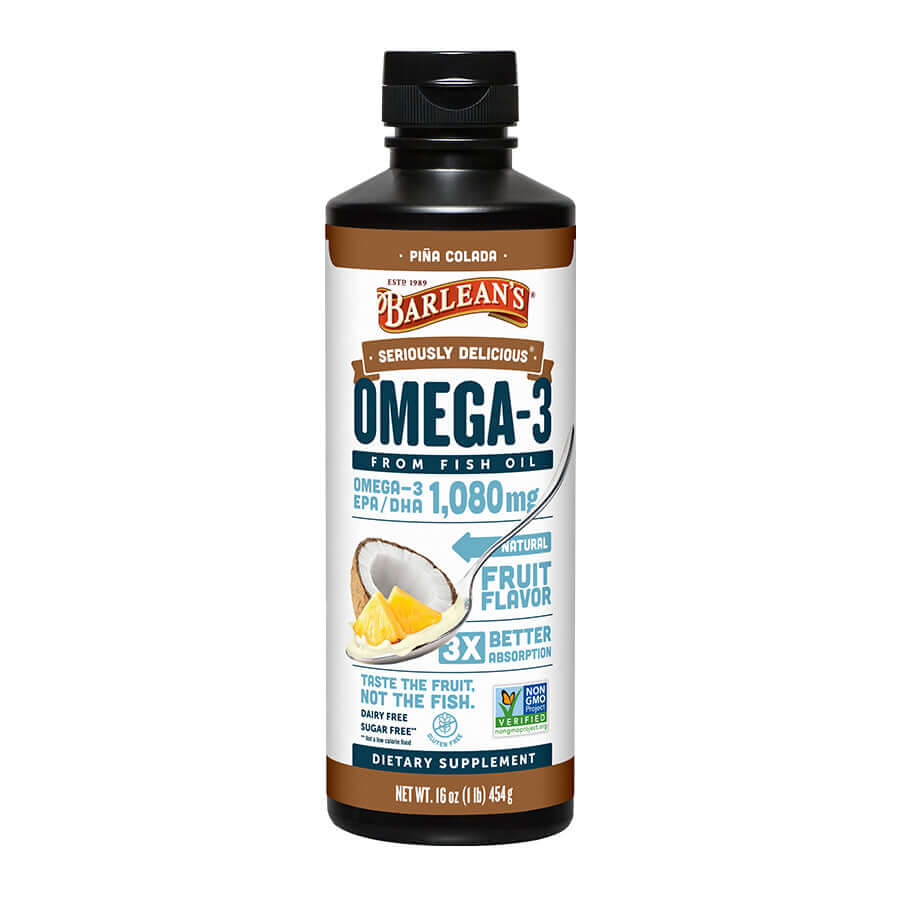
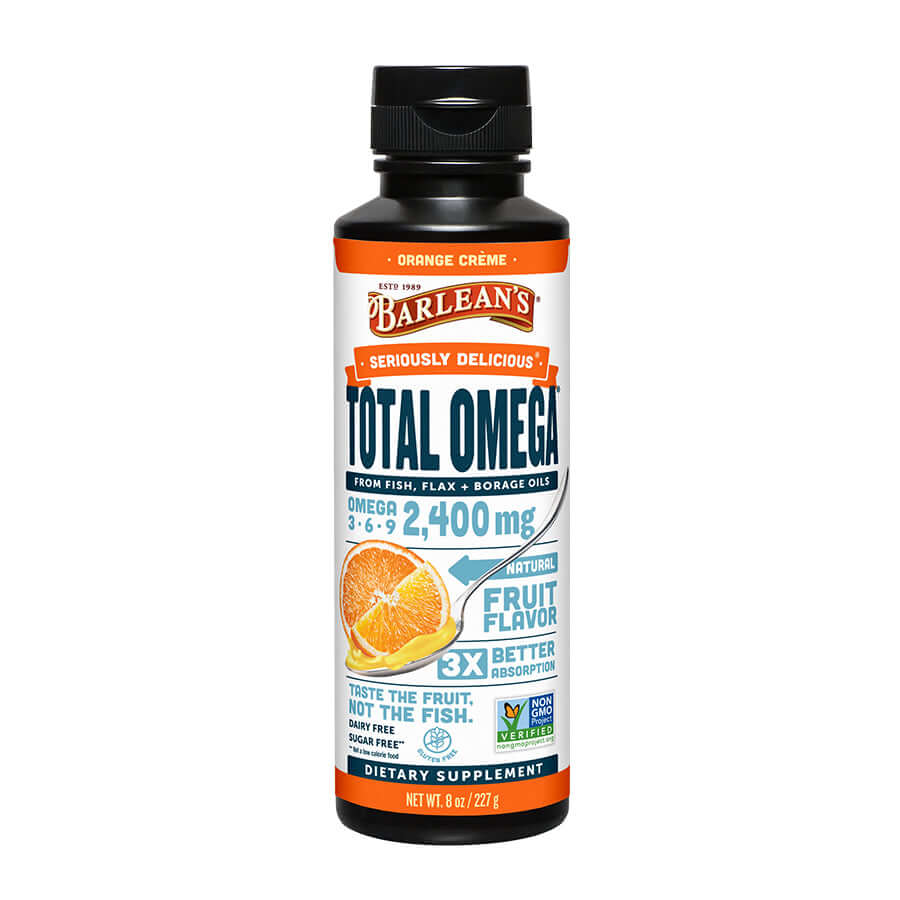
2. Your daily supplements, for example, an omega-3 like Barlean's Omega-3 Fish Oil to support brain health* and a greens blend like Barlean's Organic Greens, taken alongside breakfast.
3. Five minutes outside, even briefly, to get natural light before a day indoors.
Protect Sleep as Daylight Shortens
As days get shorter, it's easy for bedtimes to drift later. A consistent wind-down routine (dimming lights, reducing screens, and keeping a stable bedtime) helps protect sleep quality even as the season's schedule gets busier.
Build in Slack, Not Just Structure
A routine that assumes every day will go as planned breaks the first time it doesn't. Build in a standing "flex day" each week where the bar is simply: Don't skip everything, even if you skip most of it.
What a Sustainable Fall Routine Actually Looks Like
Daily: Morning supplement stack, one intentional vegetable at dinner, consistent bedtime.
A few times a week: A short walk or movement break, a batch-prepped meal component.
Weekly: One flex day, one moment to reassess what's working and drop what isn't.
Reassess Instead of Restart
When a routine breaks down mid-season, the instinct is often to scrap it and start over in January. A more sustainable approach would be to reassess weekly, keep what's working, and quietly drop what isn't, rather than treating one missed day as a reason to abandon the whole thing.
FAQ
How do I build a wellness routine that survives a busy fall schedule?
Focus on three or four core habits, anchor them to routines you already have (like meals or your morning routine), and build in flexibility for the days that don't go as planned.
What should a simple morning wellness routine include?
A sustainable morning routine often includes hydration, daily supplements taken alongside breakfast, and a few minutes of natural light exposure before the day gets busy.
How do I stay consistent with wellness habits when my schedule changes weekly?
Anchoring habits to existing daily routines (rather than fixed time blocks) makes them more resilient to a schedule that shifts week to week.
The Bottom Line
A sustainable fall wellness routine isn't built by doing more - it's built by protecting fewer, well-chosen habits and anchoring them to the life you already have. Keep your morning stack simple, protect your sleep as daylight shortens, and give yourself room to flex without falling off entirely.
*These statements have not been evaluated by the Food and Drug Administration. This product is not intended to diagnose, treat, cure, or prevent any disease.
Share:
5 Daily Habits That Support Long-Term Eye Wellness
5 Simple Wellness Habits to Refresh Your Routine This Fall