

Two formats, one very simple question: flax liquid or softgels?
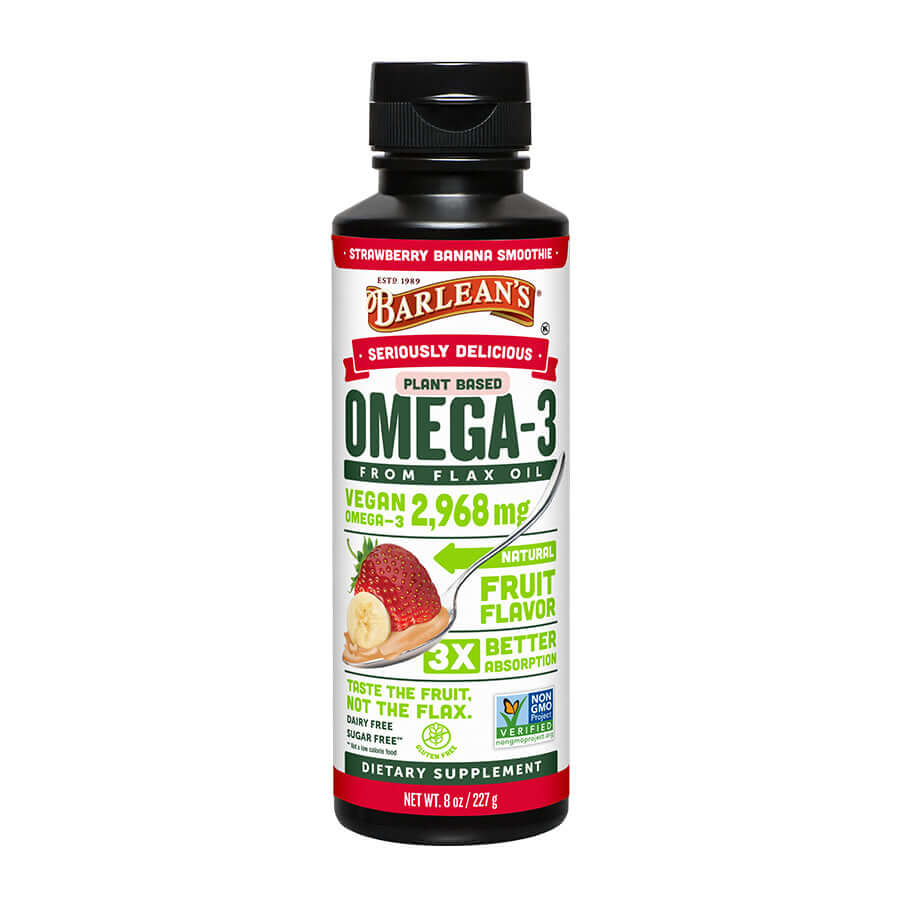
If you love smoothies, dressings and finding ways to work nutrition into food, liquid flax oil may feel right at home in your kitchen.
If you'd rather grab your supplements and get on with the day, softgels offer a convenient, pre-measured option with no mixing required.
However, neither format is necessarily “better,” the better question is: Which one fits the way you actually live?
Liquid Flax Oil: Made for Mixing, Drizzling and Getting Creative
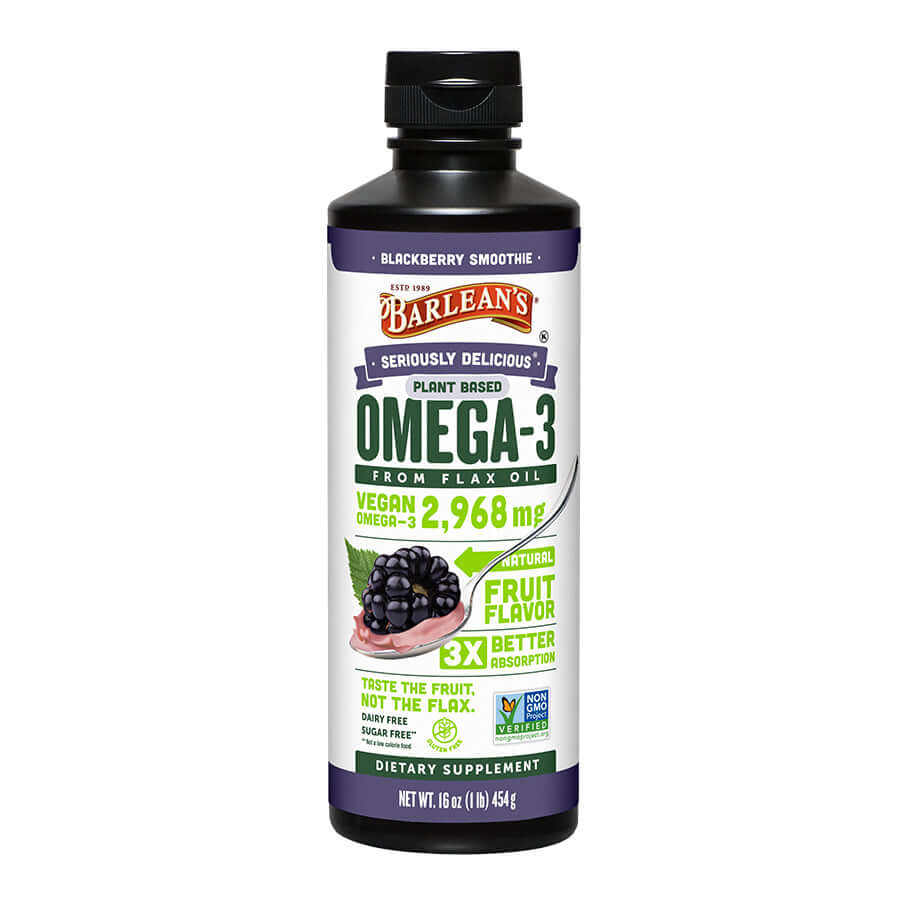
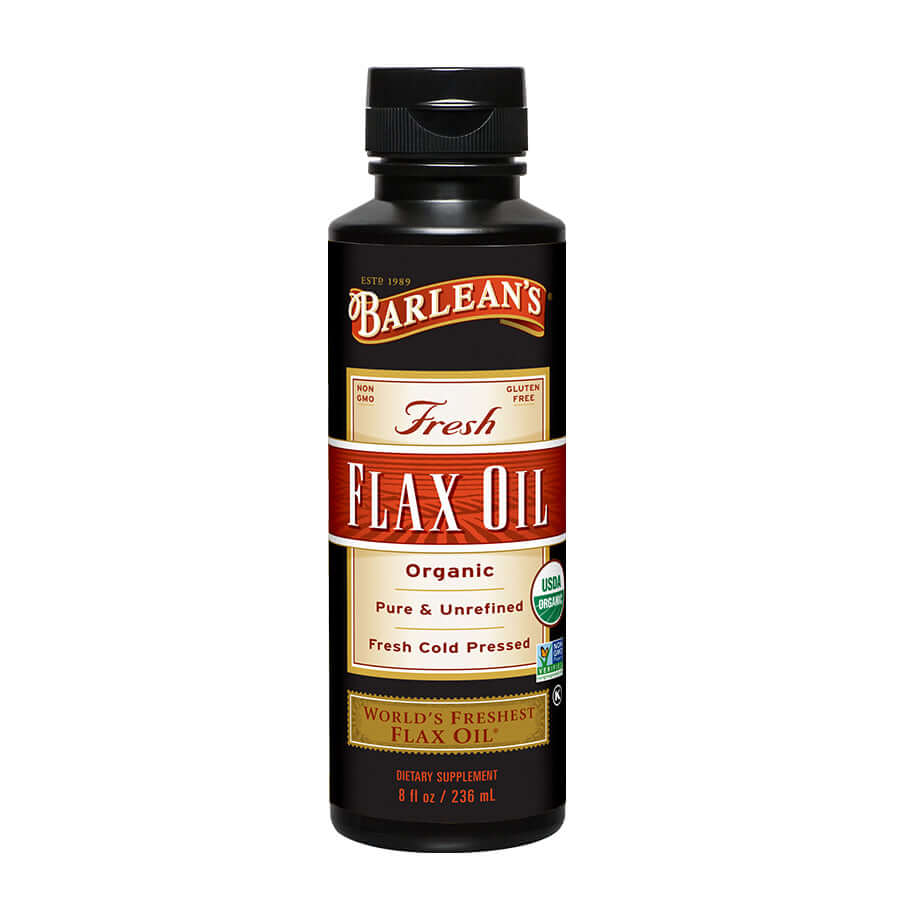
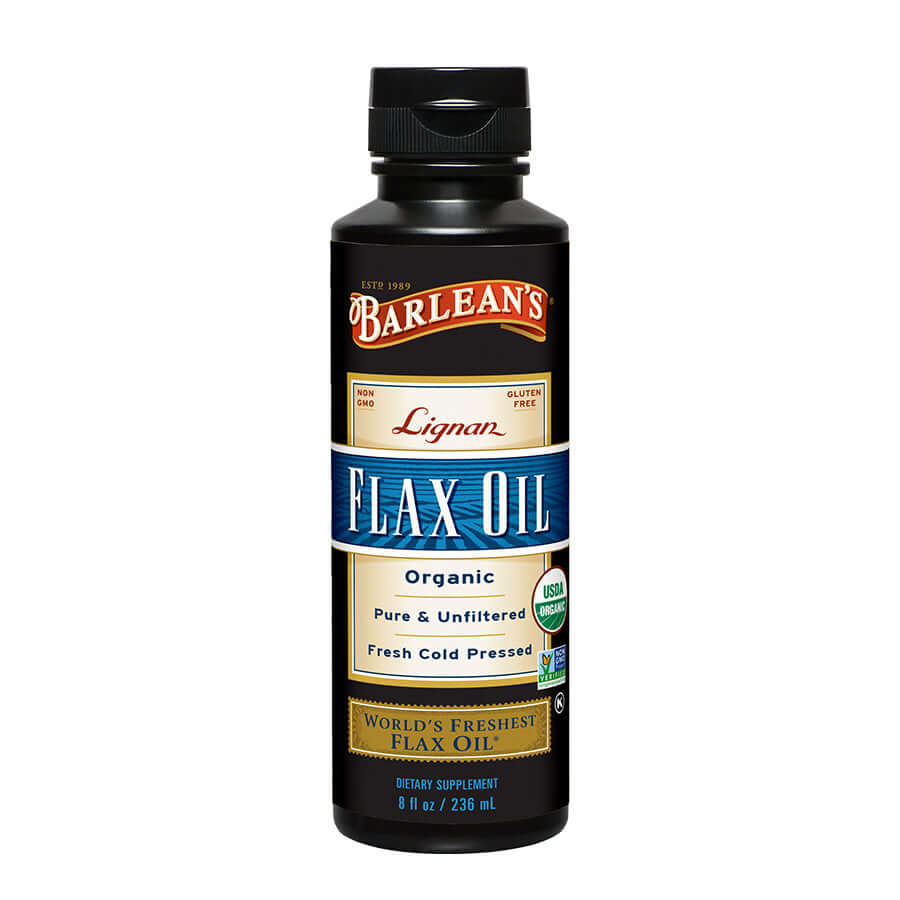
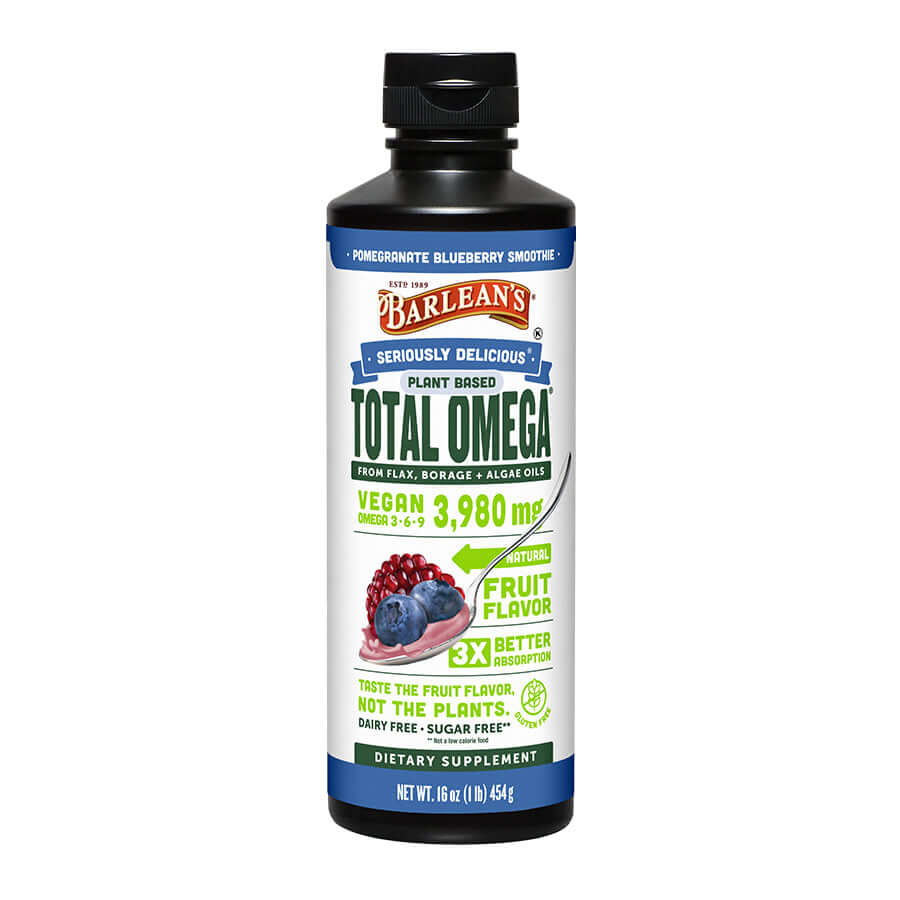
Shop: Barlean’s Flax Oil collection
If smoothies are already part of your morning, liquid flax oil is easy to work into the routine.
All you have to do is blend it in and you're done!
You can also whisk it into salad dressings, stir it into dips, add it to oatmeal or drizzle it over a finished dish.
Liquid Flax Oil May Be a Good Fit If:
- You make smoothies or shakes regularly.
- You enjoy making homemade dressings and dips.
- You like incorporating supplements into foods you already eat.
- You prefer a liquid format.
- You want another way to add ALA omega-3s to your meals.
It's nutrition that gets invited into the kitchen instead of sitting in your fridge without a purpose.
Just remember: flax oil is best suited to cold or finished foods rather than high-heat cooking, and it should be stored according to the directions on the bottle.
Flax Softgels: Simple, Portable and No Mixing Required
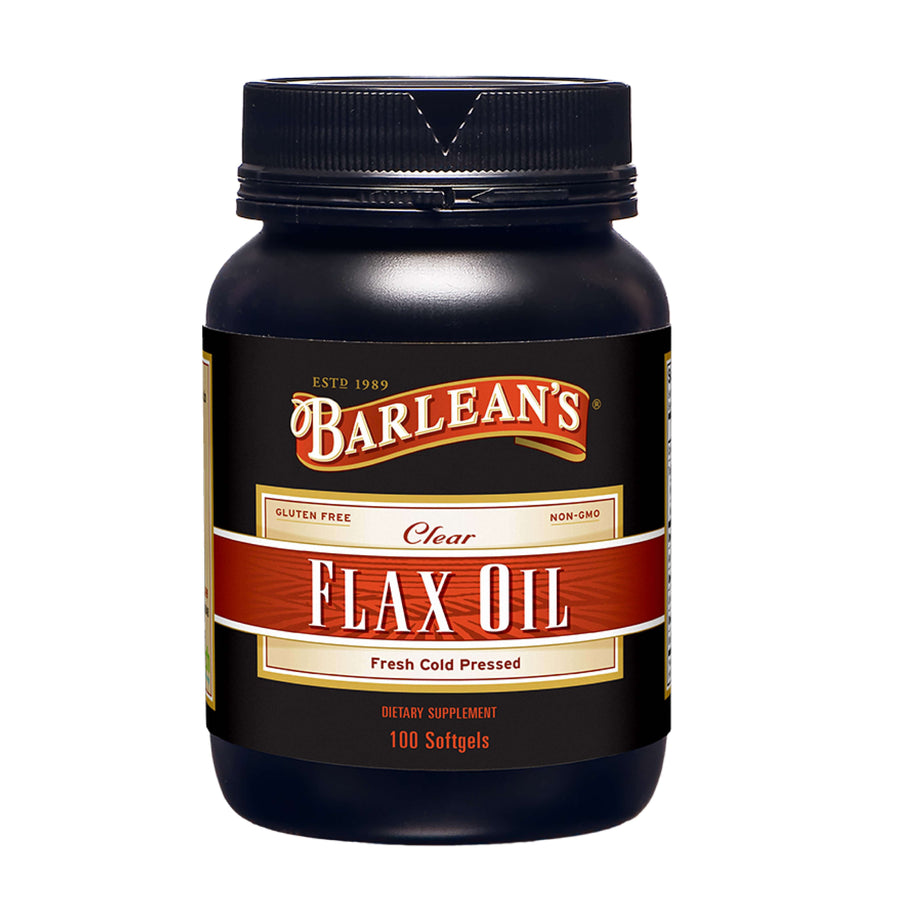
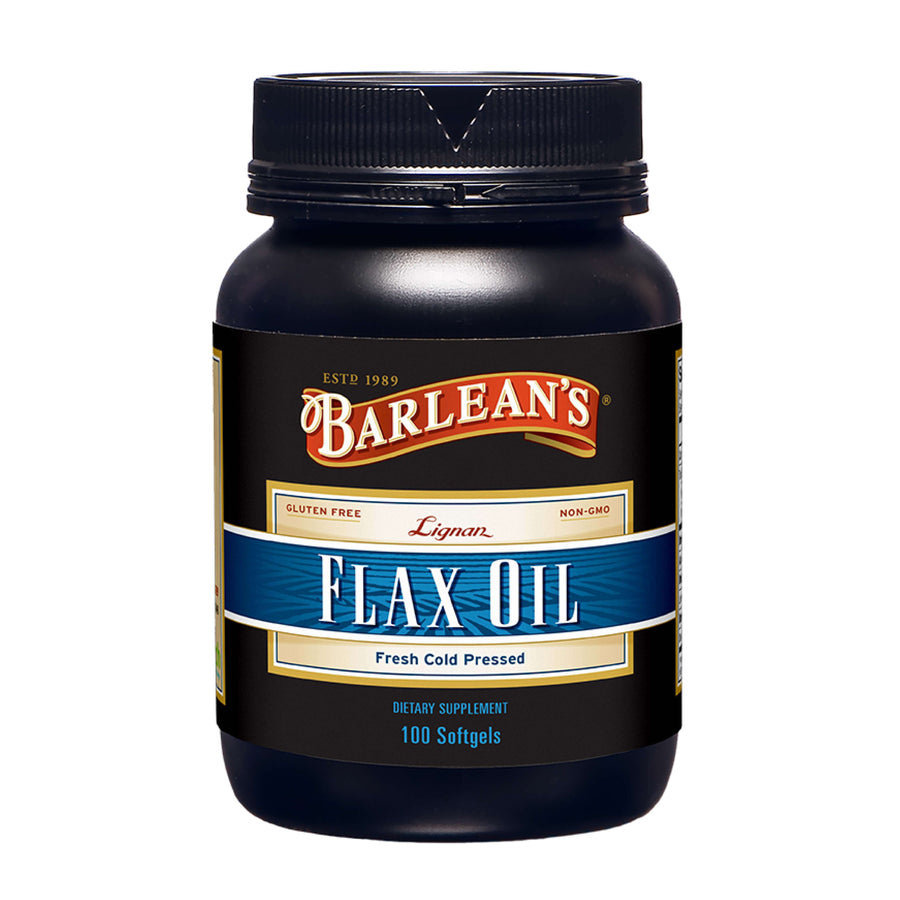
Shop: Barlean's Flax Softgels
Not everybody wants their supplement routine to become a recipe, and we respect that.
Flax softgels offer a pre-measured option that's easy to add to an existing supplement routine and easy to pack with you on vacation or to have in your purse when you're running errands.
Flax Softgels May Be a Good Fit If:
- Your mornings tend to move quickly.
- You prefer a pre-measured format.
- You don't want to mix anything into food.
- You travel frequently.
- You prefer softgels to liquid supplements.
They’re great and versatile since they don’t require a blender, measuring spoon, or recipe to incorporate into.
Match Your Flax to Your Actual Day
Still deciding? Picture your typical day:
You make a smoothie most mornings.
- Try liquid flax oil. It can go right into something you're already making!
You leave the house before breakfast.
- Softgels may be easier. They're portable and require no food prep or mixing.
You love making homemade dressings.
- Liquid is calling your name. Flax oil works nicely in no-heat dressings and dips.
You travel often.
- Softgels offer a convenient option without packing a bottle of liquid oil.
You really don't want another decision in the morning.
- Softgels keep things pretty straightforward, and you can keep them in your bag for those busy days!
See? No supplement personality quiz required!
Both Formats Provide a Way to Add ALA
Whether you choose liquid flax oil or flax softgels, you're choosing a flax-derived source of ALA.
ALA (alpha-linolenic acid) is an essential omega-3 fatty acid, which means your body can't make it on its own and you need to get it through your diet.
The difference between liquid and softgels is primarily about format and how you prefer to incorporate flax oil into your routine. So, instead of worrying about which one sounds more impressive, think about which one you'll be happier seeing in your kitchen cabinet or supplement organizer.
Can You Use Both?
Absolutely! You don't necessarily have to pledge allegiance to Team Liquid or Team Softgel.
Some people may prefer liquid flax oil at home and softgels when convenience matters.
For example:
At home: Liquid flax oil in a morning smoothie.
On the road: Softgels as a portable alternative.
You can choose the format that fits the situation while following the suggested use for each product.
FAQ
Should I choose liquid flax oil or softgels?
Choose based on your preferences and routine. Liquid flax oil is easy to incorporate into smoothies, dressings and finished foods, while softgels offer a portable, pre-measured option with no mixing required.
Is liquid flax oil more effective than softgels?
The formats shouldn't be compared based on effectiveness without product-specific evidence supporting that claim. Both offer a way to include flax-derived ALA in your diet. The practical difference is how they're used.
What is the easiest way to take liquid flax oil?
Liquid flax oil can be blended into smoothies, whisked into dressings, mixed into dips or drizzled over finished foods. Follow the product's suggested use and storage directions.
Do flax softgels contain ALA omega-3s?
Flax oil is a source of ALA, an essential omega-3 fatty acid. Check the Supplement Facts panel on the specific Barlean's flax softgel product for serving information.
Can I switch between liquid flax oil and softgels?
You can choose different formats based on your routine, provided you're following each product's suggested use. If you have questions about how much is appropriate for you, consult a qualified healthcare professional.
Does flax oil need to be refrigerated?
Storage requirements can vary by product and format. Follow the storage instructions printed on your specific Barlean's product.
The Bottom Line
Liquid or softgel?
The answer doesn't have to come from a complicated comparison chart.
If you like blending, drizzling and mixing, liquid flax oil can fit naturally into your kitchen routine.
If you prefer something portable and pre-measured, softgels keep things simple.
Both give you a way to include flax-derived ALA in your diet.
Choose the format that feels most at home in your day, because when good nutrition fits your real life, there's one less thing to overthink!
*These statements have not been evaluated by the Food and Drug Administration. This product is not intended to diagnose, treat, cure, or prevent any disease.

Share:
Why Flax Oil Isn't Just for Vegetarians