

Flax oil is plant-based, but it isn't just for plant-based diets.
Flax oil is probably best known as a plant-based source of omega-3s, and for good reason!
It's a rich source of ALA, or alpha-linolenic acid, an essential omega-3 fatty acid. “Essential” means your body can't make ALA on its own, so you need to get it through your diet. Omega-3s are great for all diets because no matter the source, they support brain health, heart health, and joint health.*
That makes flax oil an appealing option for vegetarians and vegans, but you certainly don't have to skip fish to make room for flax.
ALA has its own place in the omega-3 family, which means flax oil can fit into all kinds of eating styles and everyday routines.
What Is ALA and What Makes It “Essential”?
Let's start with that word: essential.
In nutrition, an essential nutrient is one the body needs but can't produce in sufficient amounts on its own. It has to come from the foods you eat.
ALA is an essential omega-3 fatty acid found primarily in plant foods, including:
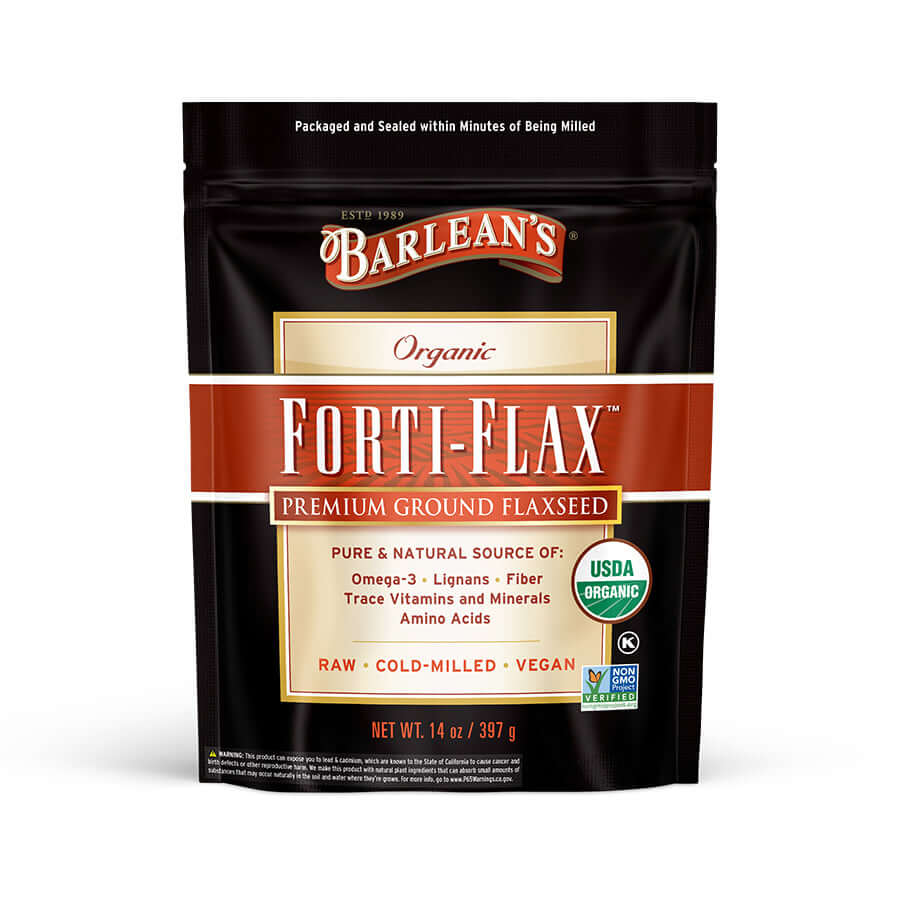
- Flaxseed
- Chia seeds
- Walnuts
- Certain plant oils
Flaxseed is a concentrated dietary source of ALA, and flax oil makes it easy to add this plant-based omega-3 to foods you already enjoy.
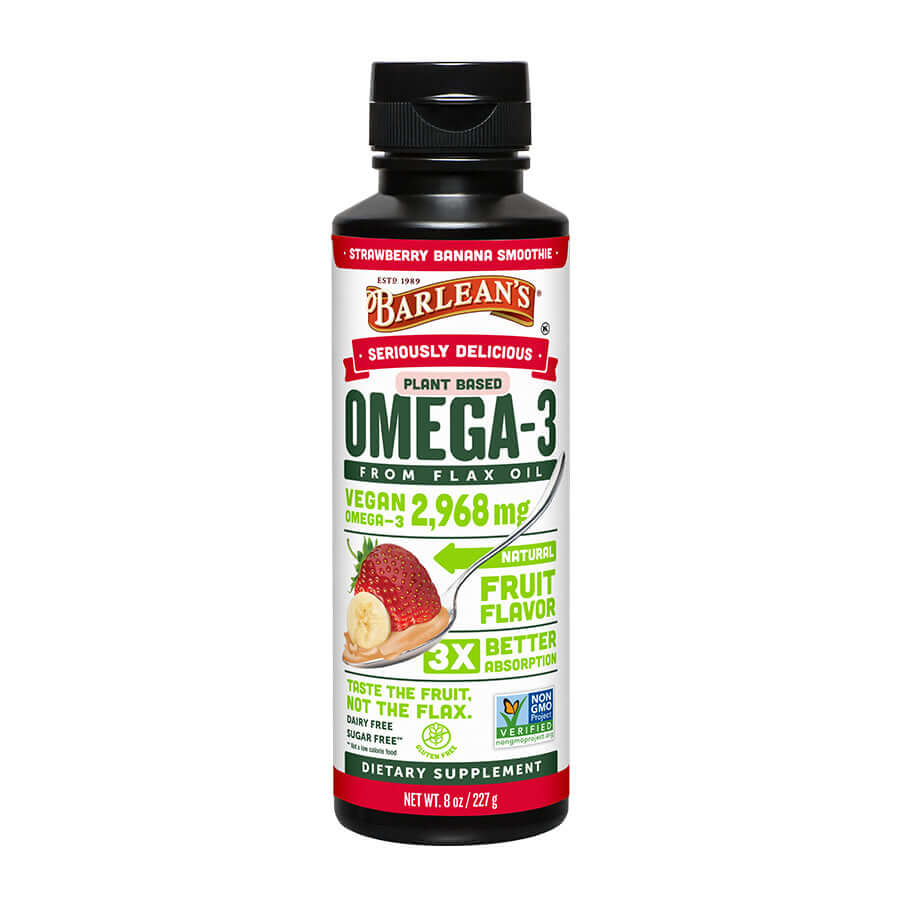
Smoothie? Easy.
Salad dressing? Absolutely.
A little drizzle over oatmeal? Why not!
ALA, EPA and DHA: Meet the Omega-3 Family
“Omega-3” isn't the name of just one nutrient. It's a family of fatty acids that includes ALA, EPA and DHA.
Here's the simple version:
- ALA is found primarily in plant foods such as flaxseed, chia seeds and walnuts.
- EPA and DHA are found primarily in marine sources such as fatty fish and algae.
The body can convert some ALA into EPA and DHA, but that conversion is limited. That's one reason it can be helpful to think of these omega-3s as different members of the same family rather than interchangeable versions of one another.
And it means you don't necessarily have to think about flax oil versus fish oil.
Depending on your diet and preferences, there may be room for different omega-3 sources in the same routine.
So, Who Is Flax Oil For?
Short answer? Plenty of people.
Vegetarians and Vegans
Flax oil provides ALA from a completely plant-based source, making it an easy fit for diets that don't include fish.
People Who Already Eat Fish or Take Fish Oil
Adding a plant-based source of ALA can be another way to diversify the omega-3 sources in your diet.
People Who Prefer a Mild-Tasting Oil
Flax oil has a mild flavor that works easily in many cold foods and recipes.
Anyone Looking for an Easy Way to Add ALA
If flaxseed and other ALA-rich foods don't show up on your plate very often, flax oil can offer a convenient way to build ALA into your routine.
No special dietary label required.
Liquid Flax Oil or Softgels?
Once you've decided flax oil might fit your routine, there's another question: liquid or softgels?
Good news - this one doesn't need to be complicated!
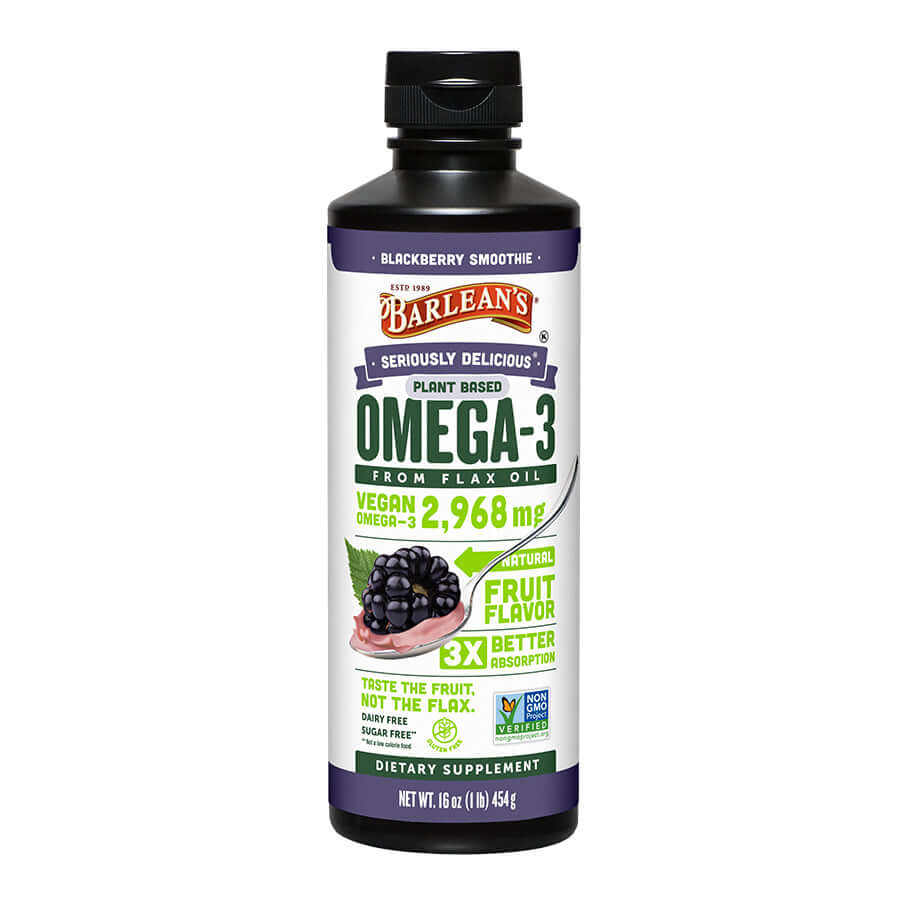
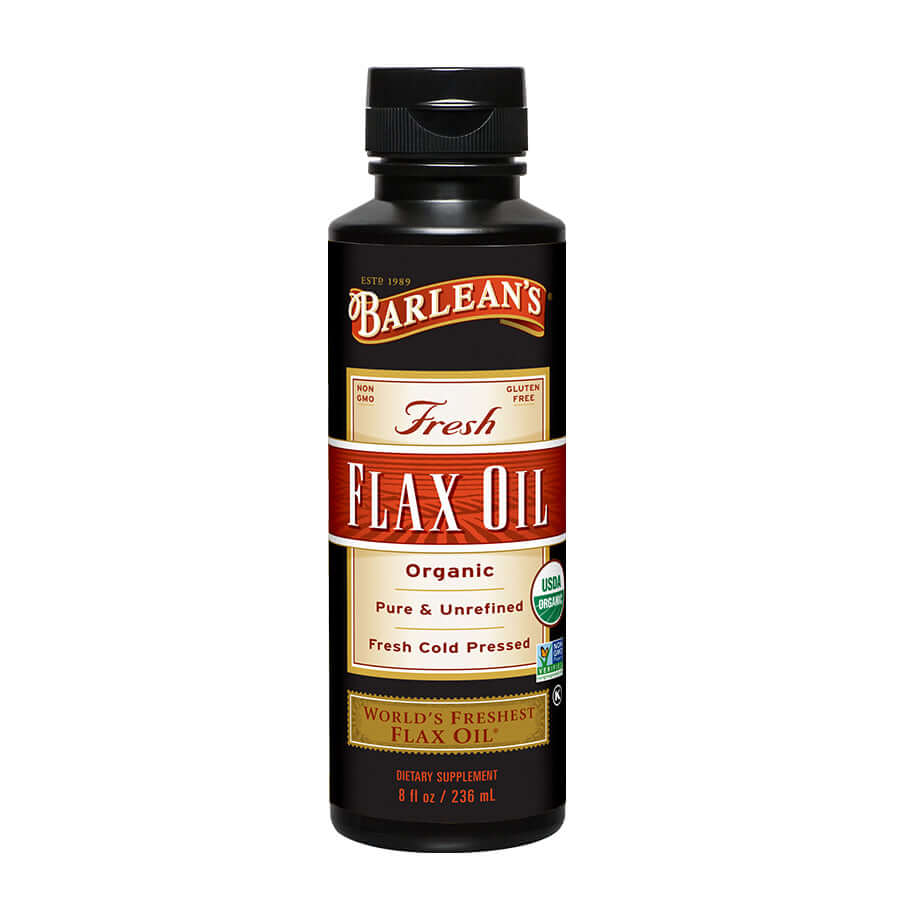
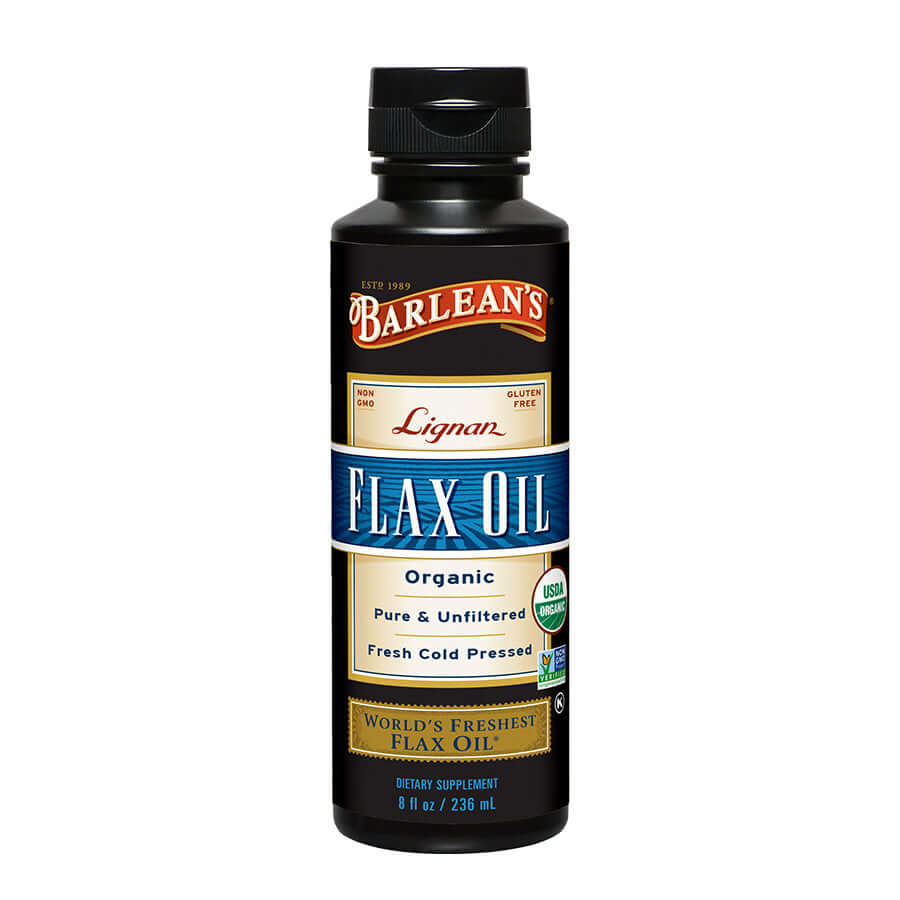
Liquid flax oil is an easy choice if you like smoothies, dressings and other no-heat dishes. It lets you make flax part of the food you're already preparing.
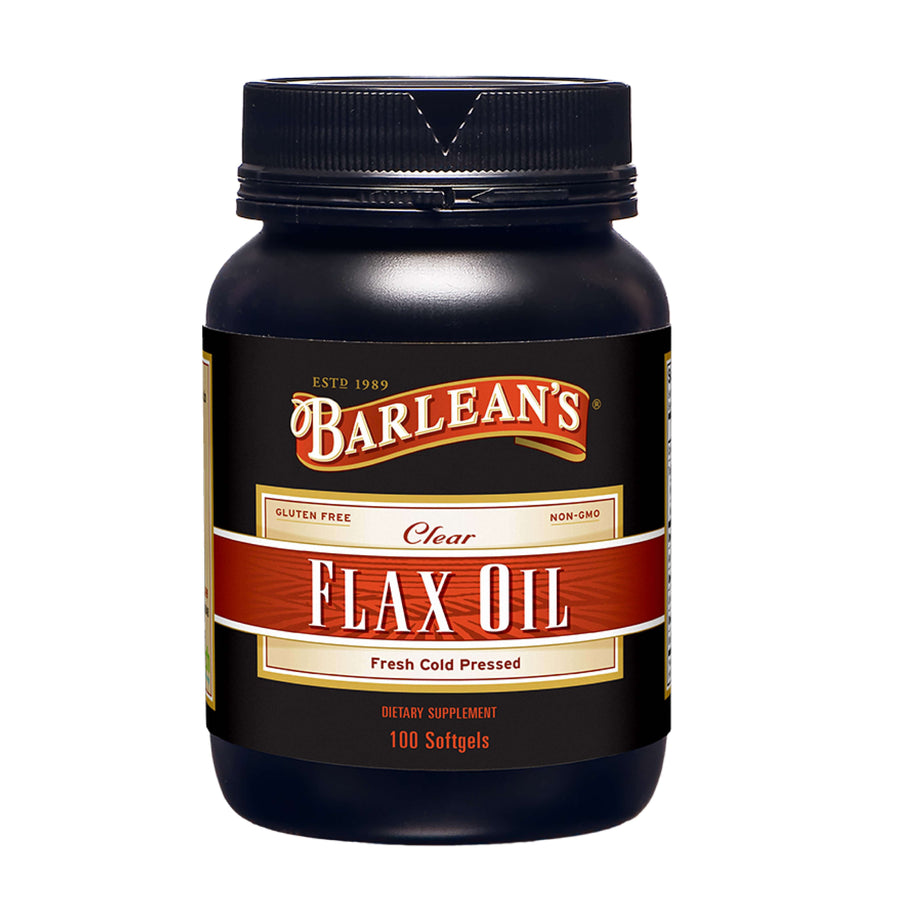
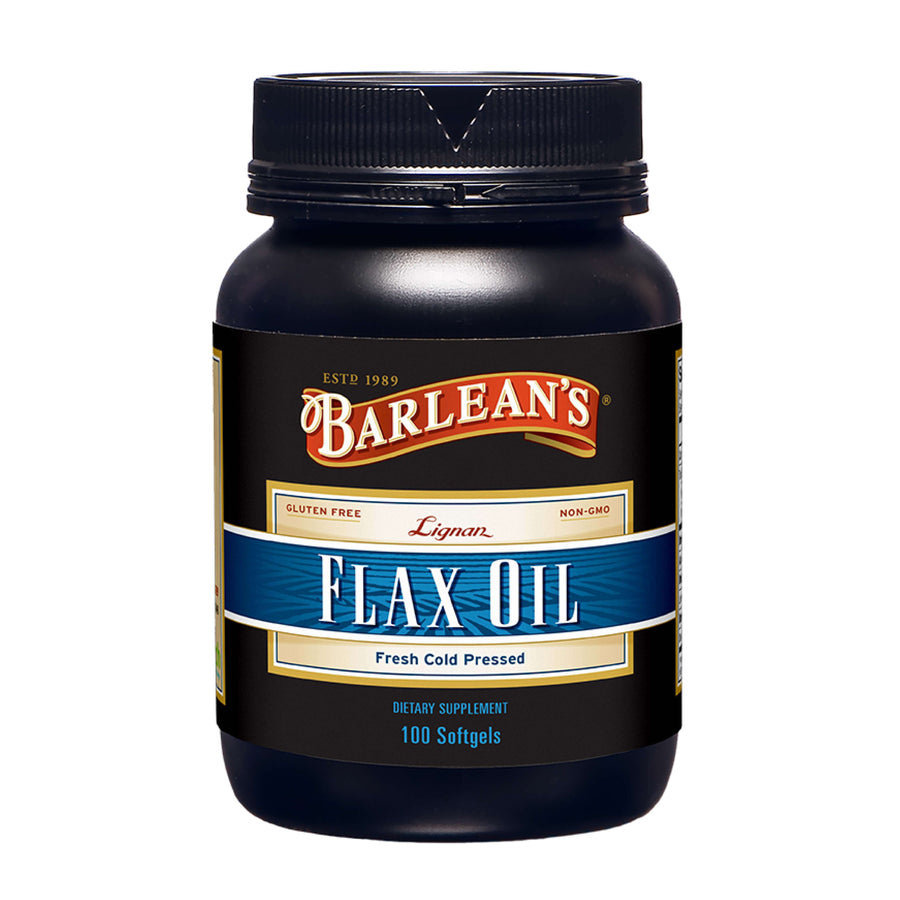
Flax softgels are convenient when you want something pre-measured, portable and free of mixing or prep.
Neither format needs to “win.” The better fit is simply the one that works with your day.
We take a closer look at both in our blog, “Liquid or Softgel? How to Make Flax Oil Fit Your Everyday Routine.”
An Easy Way to Add Flax Oil to Your Day
Adding flax oil doesn't require creating an entirely new routine.
Try working it into something you already do.
Blend liquid flax oil into a morning smoothie, whisk it into a homemade salad dressing, drizzle it over oatmeal or another finished dish, or make softgels part of your usual supplement routine.
Simple is good - especially when simple makes something easier to repeat!
The Bottom Line
Flax oil may have a reputation as the omega-3 option for vegetarians, but that's only part of its story.
It's a rich, plant-based source of ALA - an essential omega-3 fatty acid your body can't make on its own.
Whether you eat fish, avoid it entirely or simply want to bring more variety to your omega-3 sources, flax oil can be an easy addition to an everyday routine.
And around here, we're always in favor of making good nutrition a little easier to enjoy.
Shop: Barlean’s Flax Oil collection
Shop: Barlean's Flax Softgels
FAQ
Is flax oil only for vegetarians and vegans?
No. Flax oil is a popular plant-based omega-3 option for vegetarians and vegans, but anyone can include it in their diet. Flax oil is a rich source of ALA, an essential omega-3 fatty acid found primarily in plant foods.
What is ALA?
ALA, or alpha-linolenic acid, is an essential omega-3 fatty acid. Because the body can't make ALA on its own, it needs to come from dietary sources such as flaxseed, chia seeds, walnuts and certain plant oils.
Is flax oil the same as fish oil?
No. Flax oil primarily provides the plant-based omega-3 ALA, while fish oil provides the marine omega-3s EPA and DHA. They are different omega-3 sources and don't need to be treated as interchangeable.
Is flax oil better than fish oil?
“Better” isn't really the useful comparison. Flax oil and fish oil provide different omega-3 fatty acids from different sources. The right choice depends on your diet, preferences and nutritional needs.
How can I use liquid flax oil?
Liquid flax oil works well in smoothies, salad dressings, dips, oatmeal and other cold or finished foods. Follow the product's suggested use and storage directions.
*These statements have not been evaluated by the Food and Drug Administration. This product is not intended to diagnose, treat, cure, or prevent any disease.

Share:
5 Simple Wellness Habits to Refresh Your Routine This Fall
Liquid or Softgel? How to Make Flax Oil Fit Your Everyday Routine