

Understanding Omega-3s
Omega-3 fatty acids are essential nutrients that support normal body functions, including cardiovascular health. Since the body cannot produce omega-3s on its own, they must come from food or supplements. Two popular sources are fish oil and flax oil, but which one is right for you? Here's everything you need to know about flax vs. fish oil.
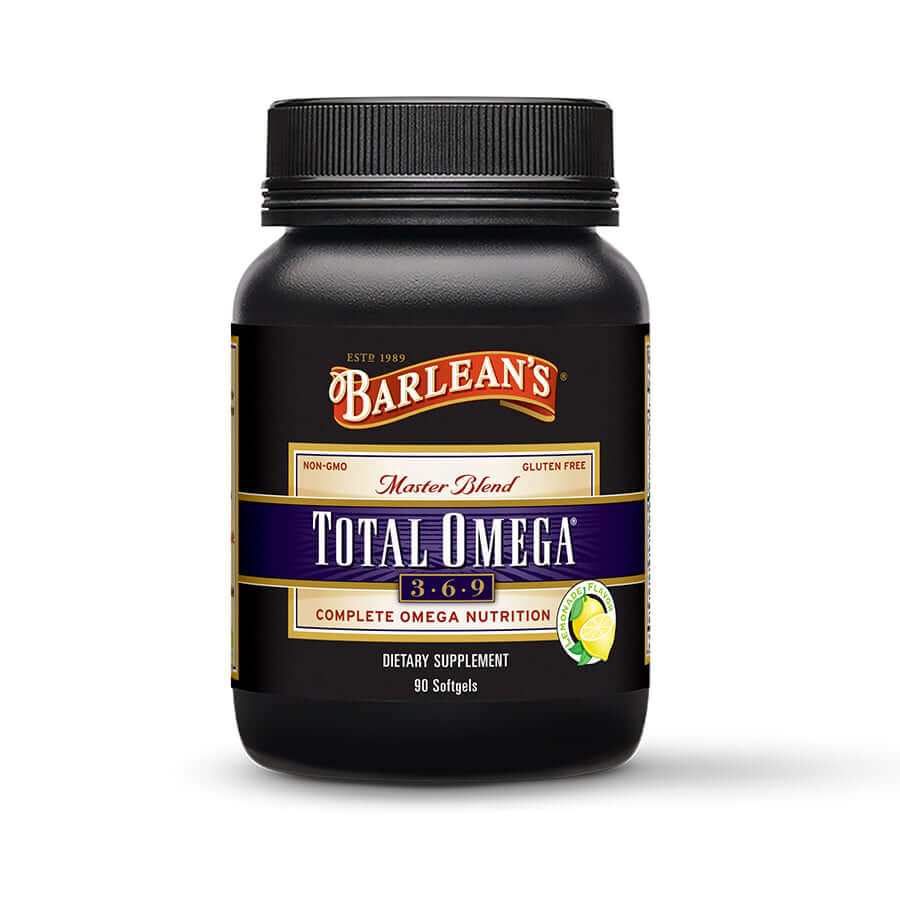
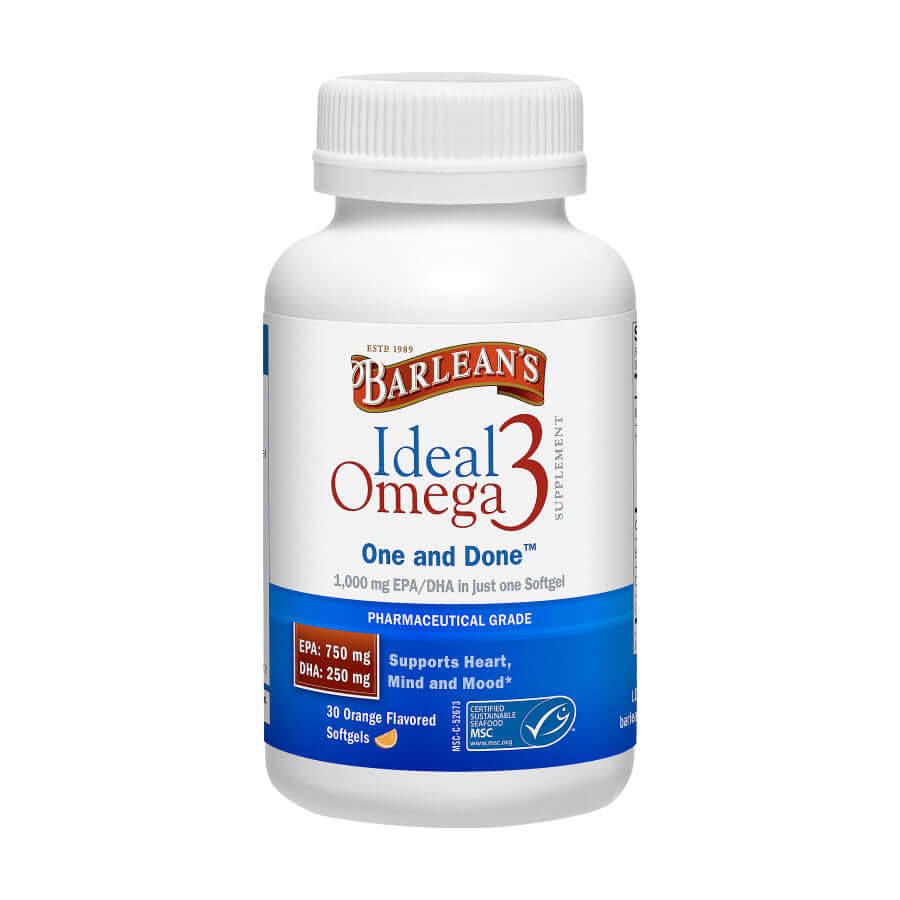
Fish Oil: Marine-Based Omega-3 Power
Fish oil is rich in EPA (Eicosapentaenoic Acid) and DHA (Docosahexaenoic Acid) - two omega-3s that support normal cardiovascular function and overall wellness. These fatty acids also play a role in supporting normal brain and eye function. *
Why choose fish oil?
- Provides EPA and DHA for comprehensive omega-3 support
- Ideal for those who consume seafood or want marine-based nutrition
- Available in fresh, emulsified formats for optimal absorption
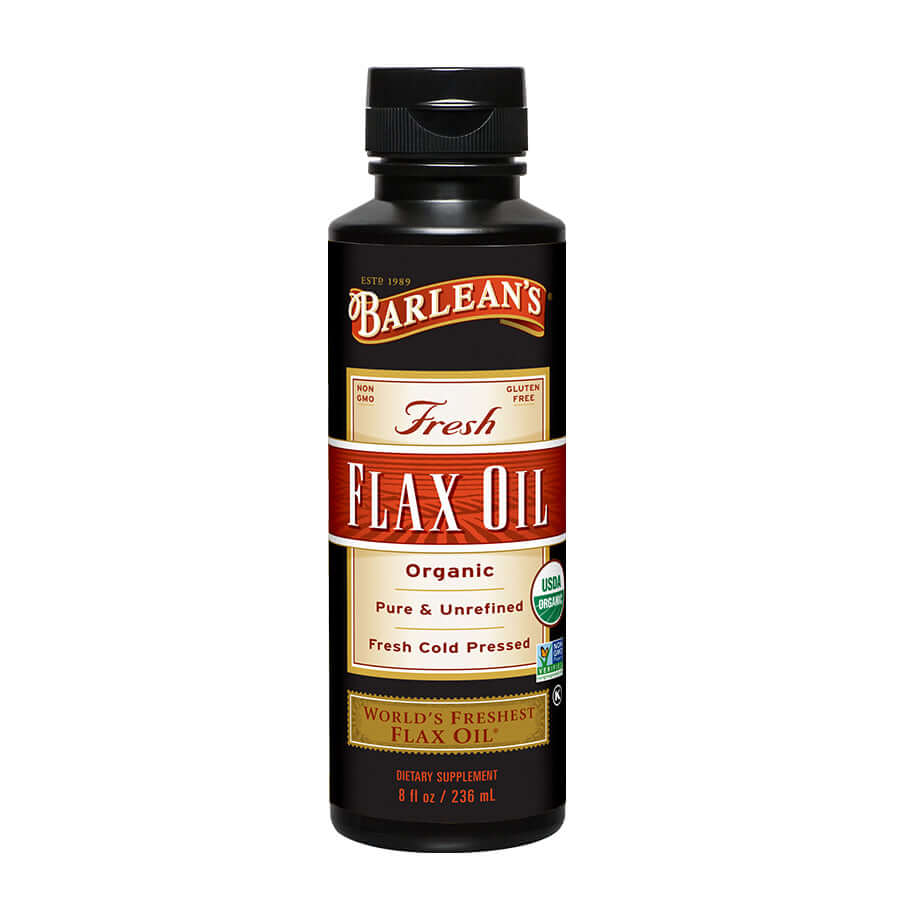
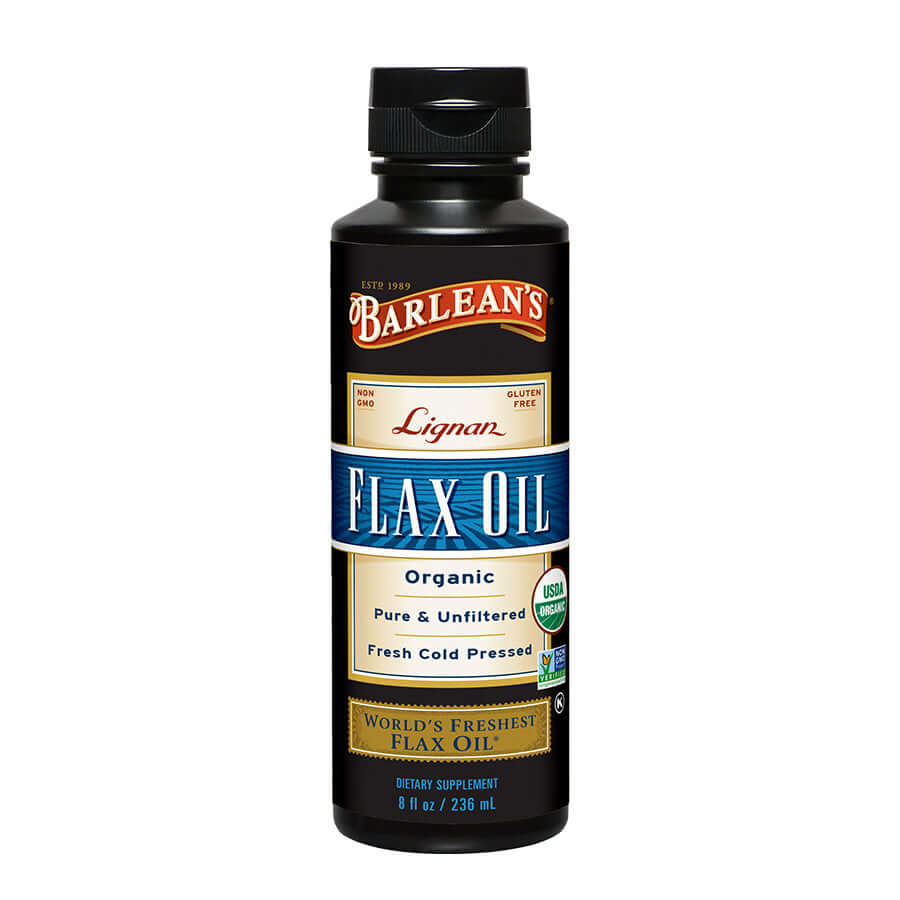
Flax Oil: Plant-Based Omega-3 Support
Flax oil is a leading source of ALA (Alpha-Linolenic Acid), a plant-based omega-3 that supports normal cardiovascular function and overall wellness. ALA is converted by the body into EPA and DHA, though in smaller amounts.
Why choose flax oil?
- 100% plant-based - perfect for vegetarian or vegan lifestyles
- Cold-pressed for purity and freshness
- Easy to add to smoothies, salads, or oatmeal
Which Is Right for You?
- Choose Fish Oil if you want direct EPA and DHA support for normal cardiovascular function.
- Choose Flax Oil if you prefer plant-based nutrition and a versatile omega-3 source.
Both options provide essential fatty acids that contribute to normal physiological processes and overall wellness.
How to Incorporate Omega-3s
- Add flax oil to smoothies for plant-based omega-3 support
- Use fish oil in salad dressings for a fresh, citrusy twist
- Follow suggested use on product labels for consistent nutritional support
Why Barlean’s?
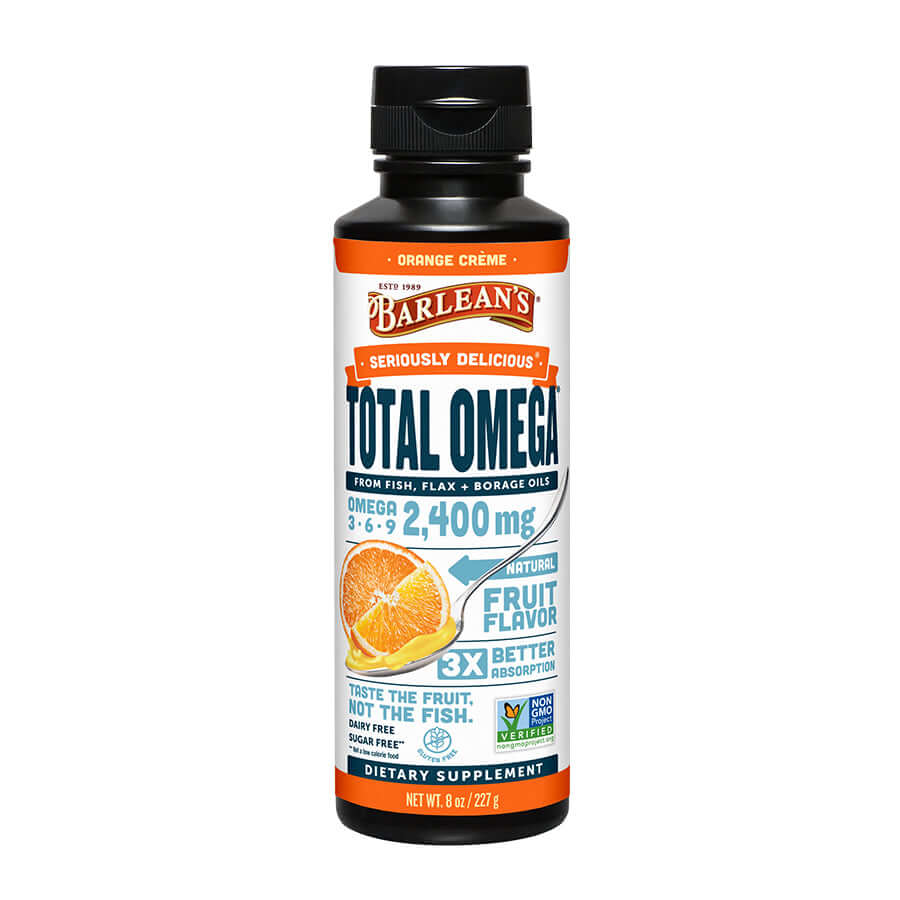
Barlean’s offers premium fish and flax oils crafted for purity, potency, and taste. * Our emulsified formulas make it easy to enjoy omega-3 nutrition without the fishy aftertaste.
*This statement has not been evaluated by the Food and Drug Administration. This product is not intended to diagnose, treat, cure, or prevent any disease.




Share:
Signs That Your Body May Benefit From Magnesium
The Science Behind Omega-3s & Heart Health